September 23, 2026
Metal is an incredibly versatile and valuable material that plays a foundational role in almost every aspect of modern life, from the infrastructure of our cities to the intricate components of our electronic devices. Because it can be melted down and reformed without losing its inherent properties, it stands as one of the most sustainable materials available when managed correctly. Recognizing the different categories of these materials is the first step toward effective environmental stewardship. When individuals and industries commit to sorting and processing these materials properly, they significantly reduce the need for raw extraction, which is both energy-intensive and environmentally damaging. Engaging with professional metal recycling services ensures that these materials are processed efficiently and returned to the manufacturing cycle. By understanding the unique properties of various materials and how they are processed, you can make informed decisions that benefit both the environment and the economy. The journey from discarded scrap to reusable raw material is a fascinating process that highlights the importance of sustainable practices in our daily lives.
The Characteristics and Uses of Ferrous Metals
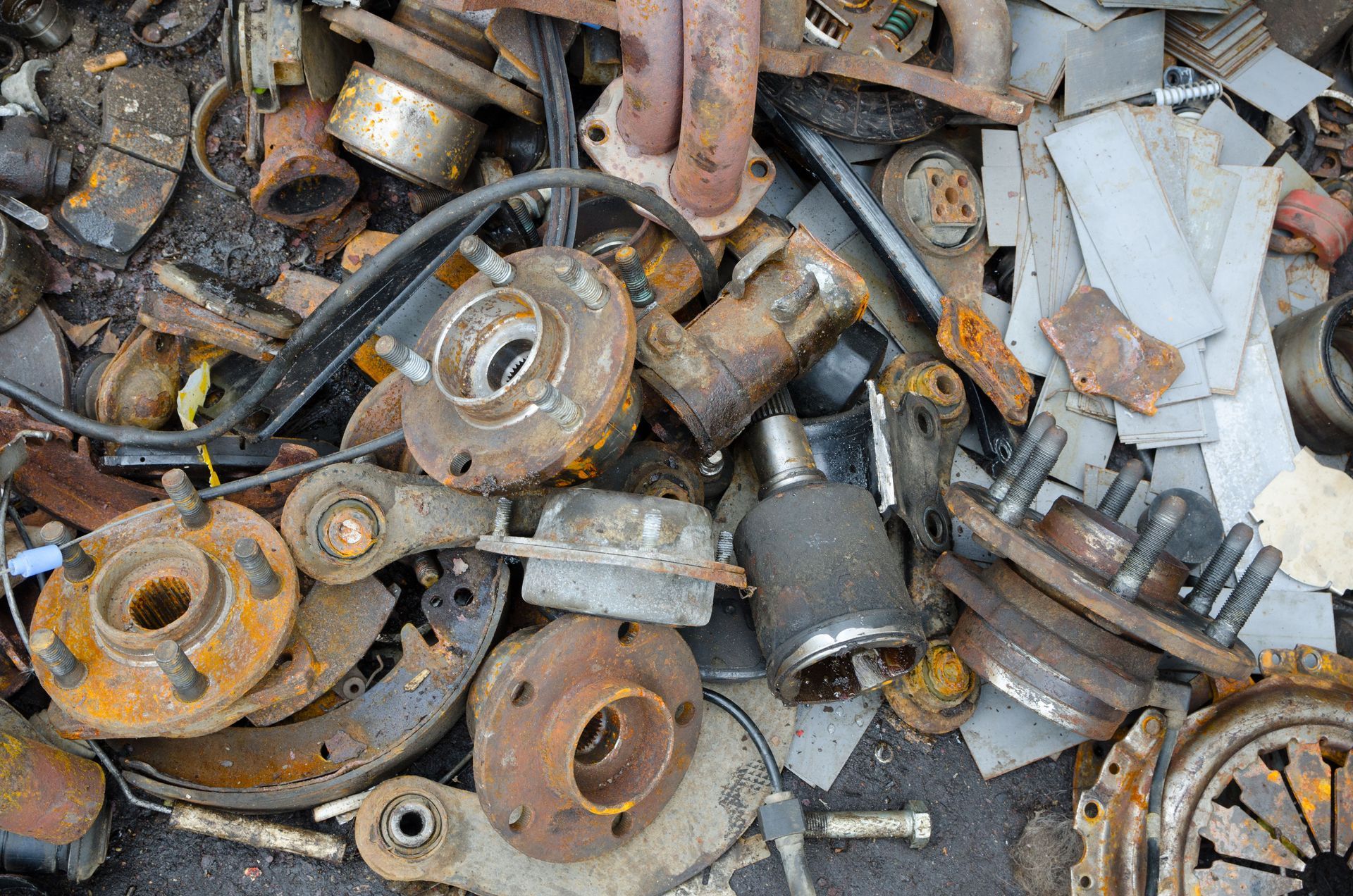
The most commonly encountered materials in industrial and structural applications fall into the category known for containing iron. These materials are celebrated for their exceptional tensile strength and durability, making them the backbone of construction, automotive manufacturing, and heavy machinery. A defining characteristic of these materials is their magnetic nature, which simplifies the sorting process when they reach a processing facility. However, their high iron content also makes them susceptible to rust and corrosion if not properly treated or protected. When these items reach the end of their useful life, they represent a significant portion of the waste stream. Utilizing dedicated metal recycling services is essential for managing this heavy and often bulky waste. The processing involves shredding the items into smaller pieces, utilizing large magnets to separate them from other waste, and melting them down in massive furnaces. The resulting purified liquid is then cast into new shapes, ready to be utilized in new construction projects or manufacturing processes, thereby closing the loop on their lifecycle.
The Characteristics and Uses of Non-Ferrous Metals
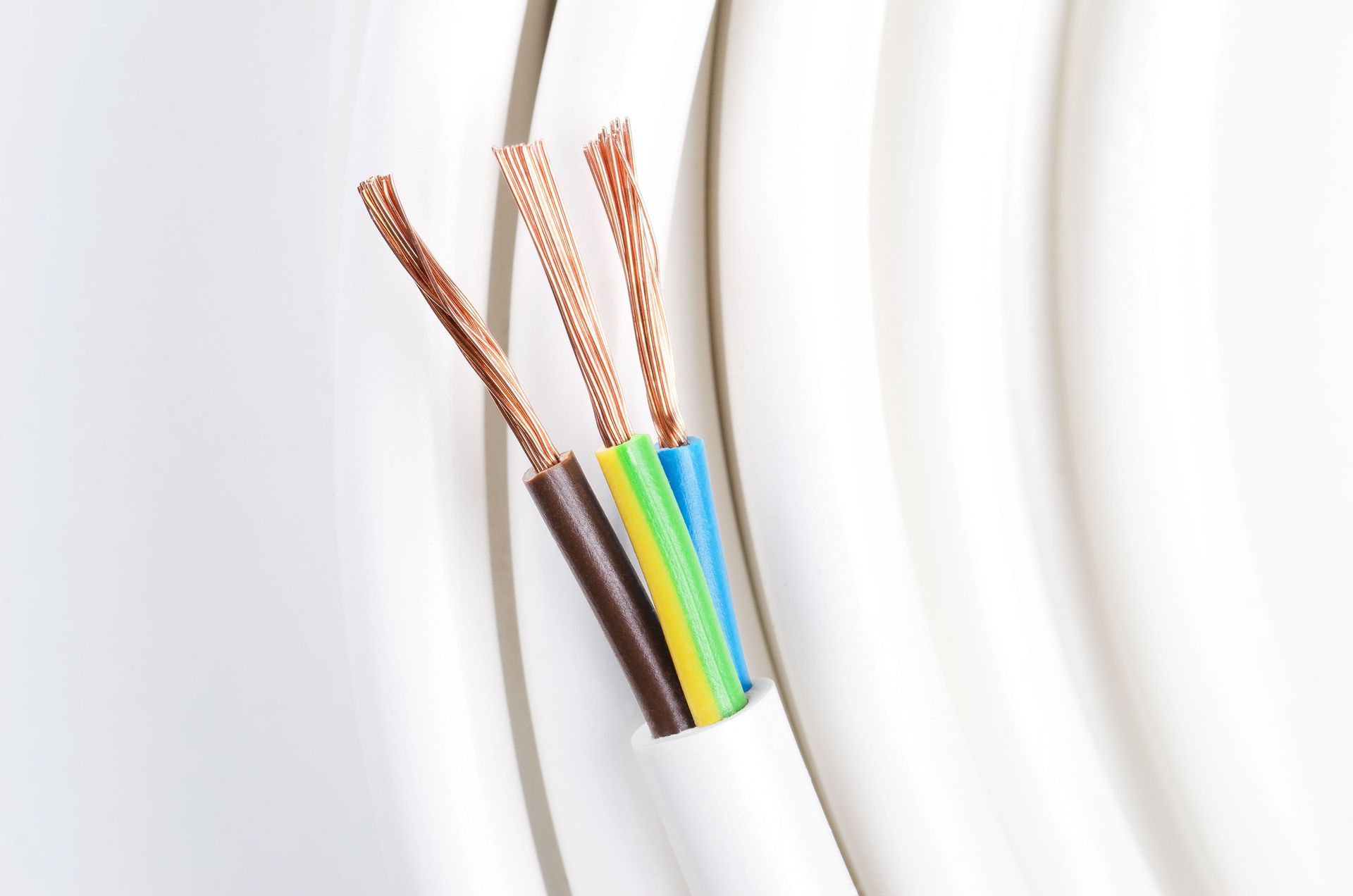
In contrast to their iron-containing counterparts, this second category of materials is defined by the absence of iron, which grants them a unique set of highly desirable properties. These materials are generally lighter, non-magnetic, and highly resistant to corrosion and rust. Common examples include aluminum, copper, lead, and zinc, which are heavily utilized in the aerospace industry, electrical wiring, and plumbing systems. Because they do not degrade during the melting and reforming process, they retain their value and properties indefinitely. According to FinanceBuzz, 10% of recycled scrap metal is non-ferrous. This highlights their specific niche yet vital importance in the overall sustainability landscape. The processing of these materials requires specialized sorting techniques, such as eddy current separators, to isolate them from other waste. Partnering with experienced metal recycling services guarantees that these highly valuable materials are recovered efficiently. By keeping these specific items out of landfills, industries can conserve vast amounts of energy and reduce greenhouse gas emissions associated with mining and refining new ores.
The Unique Properties of Precious Metals
While often associated with jewelry and currency, highly valuable and rare materials such as gold, silver, and platinum play a critical role in modern technology and industry. These materials are prized for their exceptional conductivity, malleability, and profound resistance to tarnishing and corrosion. They are indispensable components in circuit boards, mobile devices, catalytic converters, and various medical instruments. The scarcity and high extraction costs of these materials make their recovery from end-of-life products an economic and environmental imperative. Extracting them from electronic waste, however, is a complex process that demands specialized knowledge and equipment to ensure safe and efficient recovery. Relying on specialized metal recycling services helps mitigate the environmental risks associated with electronic waste disposal while recovering these highly sought-after elements. Advanced techniques, including precision dismantling and safe chemical extraction, are employed to reclaim even the smallest amounts of these materials. This careful recovery process reduces the intense pressure on global mining operations and helps stabilize the supply chain for advanced technological manufacturing.
The Environmental Benefits of Responsible Recycling
The ecological advantages of processing and reusing materials cannot be overstated in our current climate of resource depletion and environmental concern. Extracting virgin ore from the earth is a highly destructive process that leads to habitat destruction, soil erosion, and significant water pollution. Furthermore, the energy required to mine, transport, and refine raw ore is astronomical compared to the energy needed to melt down and reuse existing materials. By participating in sustainable disposal practices, we dramatically reduce our carbon footprint and preserve natural landscapes. Keeping bulky items out of local landfills also extends the life of these waste management facilities and prevents toxic substances from leaching into the groundwater. Accessing local metal recycling services provides communities and businesses with a direct pathway to participate in this vital environmental stewardship. Every ton of material diverted from a landfill represents a measurable reduction in greenhouse gas emissions and a step toward a truly circular economy where waste is virtually eliminated.
The Economic Advantages of Material Recovery
Beyond the clear environmental incentives, the financial benefits of recovering and reusing materials create a powerful argument for comprehensive sustainability programs. The industry responsible for sorting and processing these materials is a massive global economic driver, providing countless jobs in collection, transportation, facility operation, and advanced technological sorting. For manufacturers, utilizing recovered materials is almost always more cost-effective than purchasing virgin resources, allowing them to lower production costs and remain competitive in a global market. This cost efficiency is frequently passed down to consumers in the form of more affordable goods. Furthermore, businesses that generate significant amounts of scrap can often turn what would be a waste disposal expense into a new revenue stream. By partnering with comprehensive metal recycling services, industrial and commercial operations can optimize their waste management strategies for maximum financial return. This economic dynamic encourages continued investment in better recovery technologies and strengthens the overall market for secondary raw materials.
The Challenges Involved in Material Processing
Despite the clear advantages, the industry faces several significant hurdles that require ongoing innovation and public cooperation. One of the primary obstacles is contamination, which occurs when non-recyclable materials, hazardous substances, or different types of alloys are mixed indiscriminately. Contamination complicates the sorting process, increases operational costs, and can degrade the quality of the final recovered product. Additionally, the increasing complexity of modern consumer goods, particularly electronics, makes it difficult to separate valuable components from plastics and other waste safely. Education plays a vital role in overcoming these hurdles, as a well-informed public is less likely to improperly dispose of mixed or hazardous waste. Utilizing professional metal recycling services ensures that even complex items are handled in accordance with strict environmental and safety regulations. As technology advances, newer sorting mechanisms utilizing artificial intelligence and advanced sensors are being deployed to improve purity rates and operational efficiency, promising a more robust and capable recovery infrastructure for the future.
Understanding the varied properties of different materials and the specific methods required to process them is crucial for building a sustainable future. From the structural strength of iron-based alloys to the conductive excellence of precious elements, every piece of scrap holds immense potential if managed correctly. By prioritizing resource recovery, we conserve energy, protect natural habitats, and stimulate economic growth. Whether you are a homeowner clearing out a garage or a facility manager handling industrial scrap, taking the right steps makes a profound impact. Reach out to Wauconda Recycling Center today to learn more about how our team can assist you with your waste management and material recovery needs.