July 27, 2026
The rapid acceleration of technological innovation has left the world with a staggering environmental challenge: electronic waste. Every year, millions of tons of old smartphones, obsolete computers, and broken appliances are tossed aside for newer models. While much of the public conversation surrounds the disposal of large hardware devices, a significant portion of this waste comes from the bundles of wires tucked behind them. Tackling this specific stream of waste through cable recycling represents the most effective, immediate strategy to keep toxic materials out of local landfills.
Understanding the Electronic Waste Footprint
Electronic waste, commonly known as e-waste, is the fastest-growing solid waste stream on the planet. Most consumers do not realize that every desktop computer, television set, and smart home hub relies on multiple connection cords to function. When these devices reach the end of their lifespans, they leave behind piles of tangled wires that often end up in trash bins. Because many modern electronics are built to become obsolete within three to five years, the volume of discarded infrastructure scales upward rapidly. Landfills are simply not equipped to handle the chemical complexity of these components, making specialized disposal absolutely necessary.
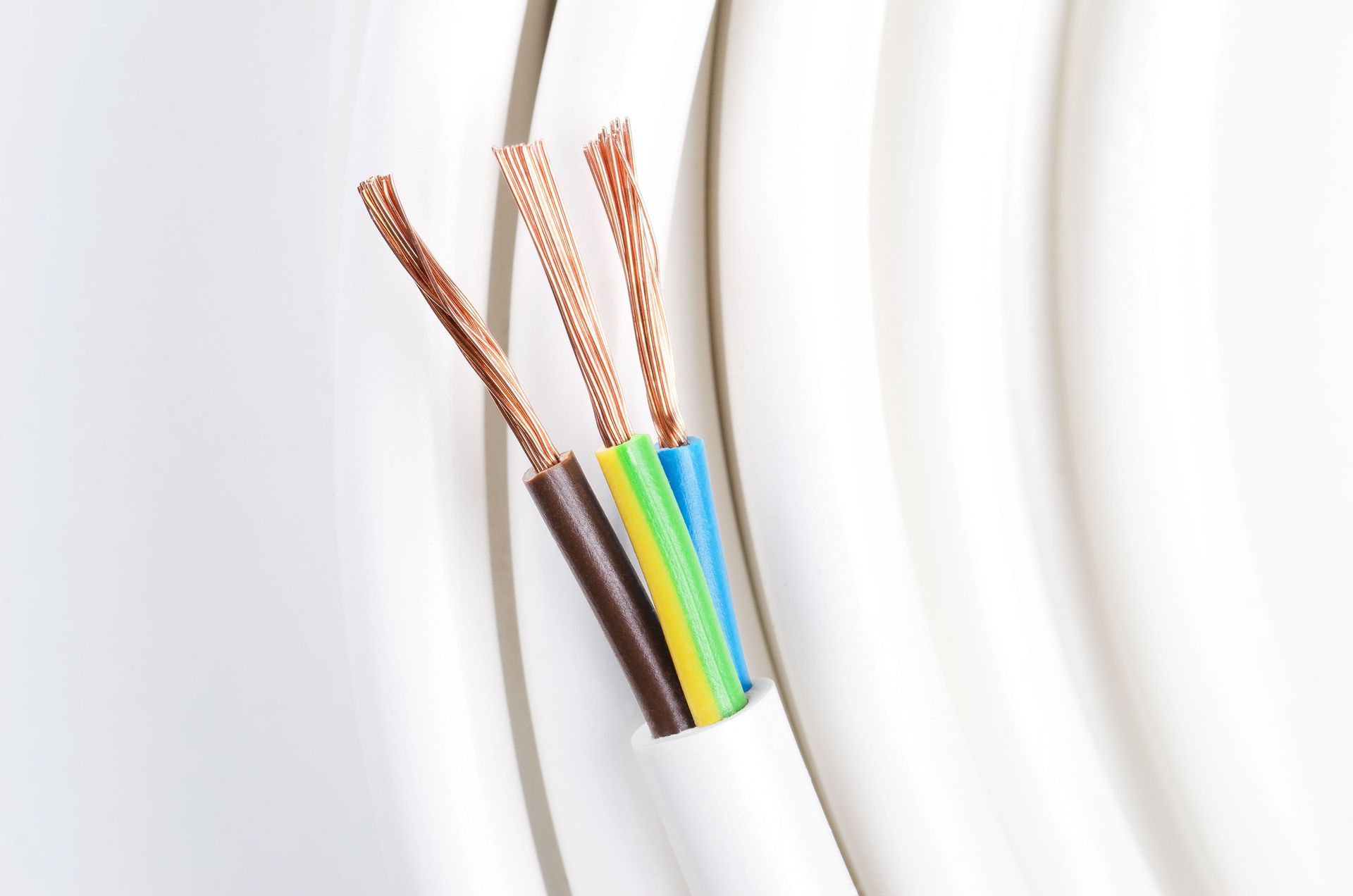
Traditional waste management systems rely on burying trash or burning it, but neither option works for industrial or residential wiring. Wires are coated in protective plastic sleeves that contain heavy metals and stabilizers, which can seep into the soil. Once these chemicals penetrate the topsoil, they run directly into local water tables and threaten communities. Furthermore, incinerating old wires releases toxic dioxins into the air, causing severe respiratory hazards for nearby populations. To appreciate why cable recycling is so critical, it helps to look closely at what is actually inside a standard power or data cord. A typical cable consists of two primary components: a highly conductive metal core and a protective insulating jacket.
The inner core is almost always made of high-grade copper or aluminum, both of which are immensely valuable and infinitely recyclable. The outer jacket is typically composed of polyvinyl chloride or rubber, which keeps the electrical current contained but resists natural biodegradation. The protective plastic outer layer of a cord is a major environmental hazard when thrown away carelessly. Polyvinyl chloride, frequently referred to as PVC, is incredibly durable and takes hundreds of years to break down naturally in a landfill environment. Many older power cords contain lead stabilizers or chemical flame retardants blended into the plastic insulation. When these items are abandoned in a landfill, the protective layers slowly crack open, exposing the inner metals and chemicals to rainwater and accelerating environmental decay.
Capitalizing on the Environmental Benefits of Cable Recycling
Choosing to participate in cable recycling directly addresses the root causes of industrial pollution and resource depletion. When we recover metals from existing products, we eliminate the need to tear open the earth for brand-new raw materials. The energy required to process recycled metals is significantly lower than the energy needed to mine, refine, and transport raw ore from deep underground mines. This reduction in energy consumption translates directly into fewer greenhouse gas emissions, helping to combat global climate change on a structural level.
The earth possesses a finite supply of accessible metallic ores, and our modern digital lifestyle is depleting these reserves at an unprecedented pace. Mining operations destroy native ecosystems, displace local wildlife, and alter natural landscapes permanently. According to the International Copper Association, approximately 8.7 million tons of copper are recovered through global recycling operations on an annual basis. This massive volume of reclaimed material satisfies a huge percentage of global manufacturing needs without requiring the creation of a single new mining pit. By keeping these metals in a continuous loop of production, we preserve natural geological formations for future generations.
Refining raw copper ore requires massive industrial blast furnaces that run around the clock, consuming fossil fuels and releasing vast amounts of carbon dioxide. Re-melting clean, recovered copper from cable recycling requires up to 85% less energy than processing virgin ore from a mine. This drastic efficiency gain drastically shrinks the carbon footprint of the technology sector. When electronics manufacturers utilize recycled components, the entire supply chain becomes cleaner, safer, and much more sustainable.
Reclaiming Precious Raw Materials Through Professional Processing Plants
Many people wonder how a tangled nest of plastic and metal is transformed back into pure, raw material. The process requires specialized industrial machinery designed to separate the distinct layers of the cords cleanly and efficiently. When scrap materials arrive at a dedicated processing facility, they are first inspected and sorted by grade. High-yield power lines are separated from low-yield data lines to maximize the efficiency of the machinery through a multi-stage mechanical process:
- Mechanical shredding: The sorted bundles are fed into industrial shredders that chop the long wires into uniform, bite-sized pieces measuring only a few centimeters long.
- Granulation: These tiny pieces pass into a granulator mill, where heavy spinning blades grind the material down into a fine, sand-like mixture of metal and plastic.
- Density separation: The granulated mixture is poured onto angled shaking tables that utilize air currents to separate the heavy metal particles from the lightweight plastic fluff.
- Magnetic filtration: The separated metal stream passes under powerful magnets to remove any stray steel screws or iron connectors, leaving behind 99% pure copper or aluminum.
The metal is not the only asset saved during this industrial process; the stripped plastic insulation is also reclaimed. While it cannot be turned back into wire jackets easily due to purity standards, it is redirected toward alternative manufacturing streams. The clean plastic pellets are melted down and upcycled into industrial flooring tiles, agricultural piping, and heavy-duty shipping pallets. This comprehensive approach ensures that every single ounce of the original product avoids the landfill completely.
Overcoming the Common Challenges of Domestic E-Waste Disposal
Despite the clear financial and environmental perks, millions of households still struggle to dispose of their old wiring properly. The most common hurdle is a simple lack of awareness regarding local disposal regulations and drop-off locations. Many municipalities completely ban electronics from standard curbside trash bins, yet they fail to provide clear alternatives for residents. This information gap leaves consumers holding boxes of dead chargers and extension cords, unsure of how to clear the clutter responsibly.
For those looking to optimize their returns, understanding how to sort wire varieties is highly beneficial. Processing centers categorize materials based on the ratio of copper weight to plastic insulation weight.
- Number one scrap wire: Clean, unalloyed copper wires thicker than a pencil lead with all insulation completely stripped away.
- Number two scrap wire: Unstripped heavy-duty power cords, appliance wires, and extension cords that retain their plastic coatings.
- Low-recovery data lines: Computer ribbon cables, Ethernet connections, and telephone lines that contain many thin strands of copper wrapped in thick insulation.
The absolute easiest way to ensure your old electronics are handled ethically is to partner with a trusted regional recycling company. Look for facilities that feature transparent weighing practices, competitive market-based pricing, and clear environmental safety protocols. A reliable partner will handle the heavy lifting, giving you peace of mind that your waste is being processed locally and legally.
Taking Action in Your Local Community
Every individual piece of electronic infrastructure rescued from a trash bin represents a small victory for our global ecosystem. Preventing environmental degradation requires a collective shift in how we view discarded consumer products and commercial infrastructure. By prioritizing
cable recycling, you protect local water resources, support eco-friendly manufacturing, and put money back into your pocket. If you are ready to clear out your old electronics responsibly, load up your vehicle and bring your scrap metals directly to the Wauconda Recycling Center.