Copper stands as one of the most significant metals in human history, serving as a cornerstone for technological progress from antiquity to the modern industrial age. Today, it remains at the forefront of sustainable practices because it is one of the few materials that can be recycled infinitely without losing its chemical or physical properties. The process of copper recycling is not merely an environmental choice; it is a pivotal economic activity that supports a vast range of global industries. This article explores the historical demand for copper, its unique physical properties that drive its high market value, and the environmental benefits of maintaining a robust circular economy for this versatile red metal.
The economic incentive for salvaging this metal is remarkably high compared to other industrial materials. According to FinanceBuzz, copper often commands a higher price than most other scrap metals, with many types ranging from $3 to $6 per pound. This premium pricing is a direct result of the metal's indispensable role in electronics, construction, and renewable energy infrastructure. For scrap collectors and industrial firms alike, copper recycling represents a lucrative opportunity to reclaim value while simultaneously reducing the energy-intensive demand for raw ore mining. Understanding these market dynamics reveals why copper remains an irreplaceable asset in our global economy.
Analyzing Historical Significance and Industrial Demand
The human affinity for copper dates back to 8000 BC, making it one of the first metals fashioned into tools and ceremonial ornaments by ancient civilizations. During the Industrial Revolution, its importance became even more pronounced as the demand for telegraph communications and electrical grids surged. Today, this demand continues to grow, particularly within the electronics and automotive sectors. Because copper is essential for microprocessors, high-efficiency plumbing, and electric vehicle batteries, its industrial indispensability is unmatched. However, as raw ore deposits become more difficult and expensive to mine, the focus has shifted toward copper recycling to balance the global supply and demand. Integrating recycled materials into the supply chain helps stabilize market volatility and ensures a consistent flow of copper for future technological advancements.
Examining Unique Properties that Drive Recycling Value
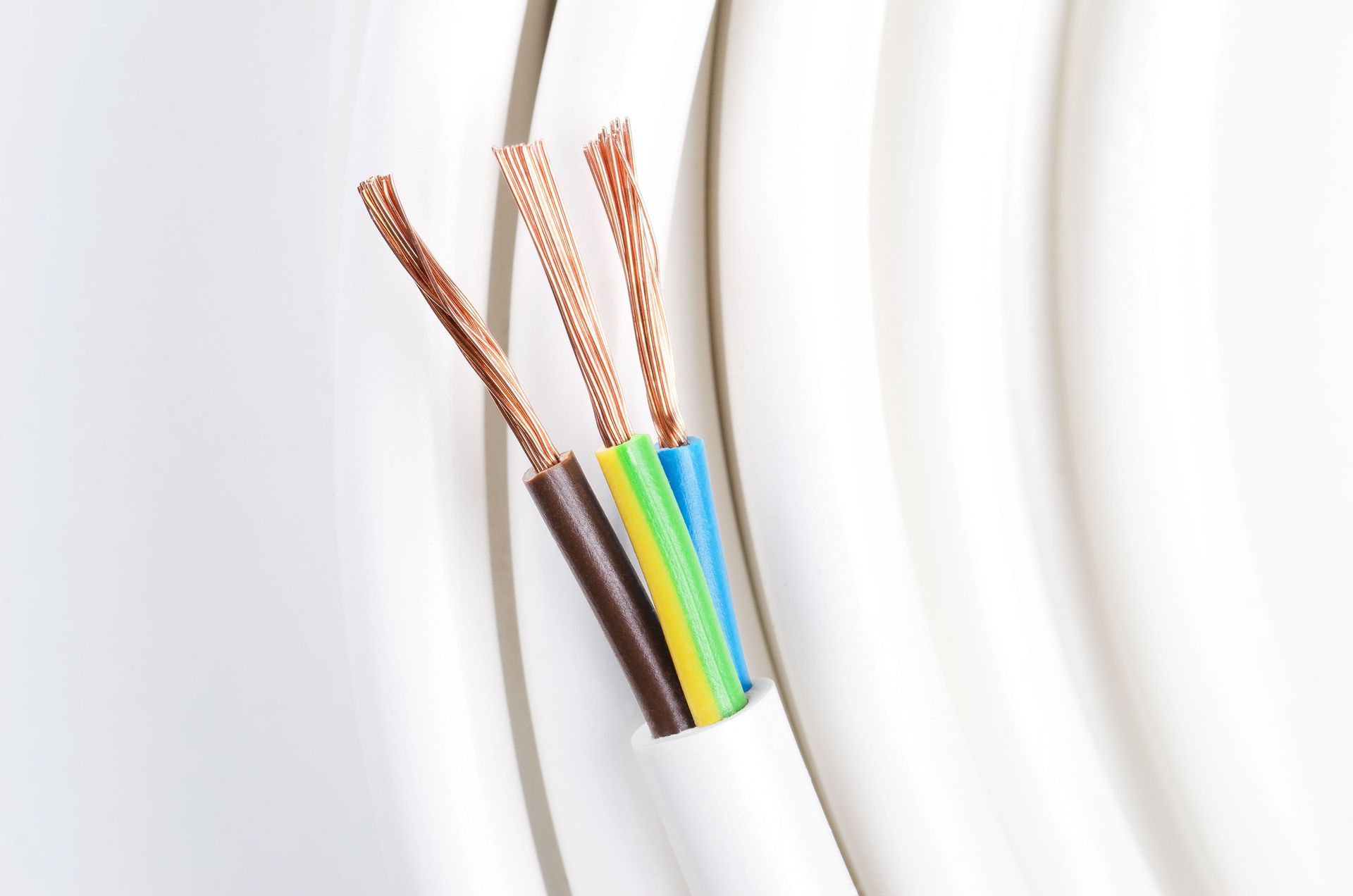
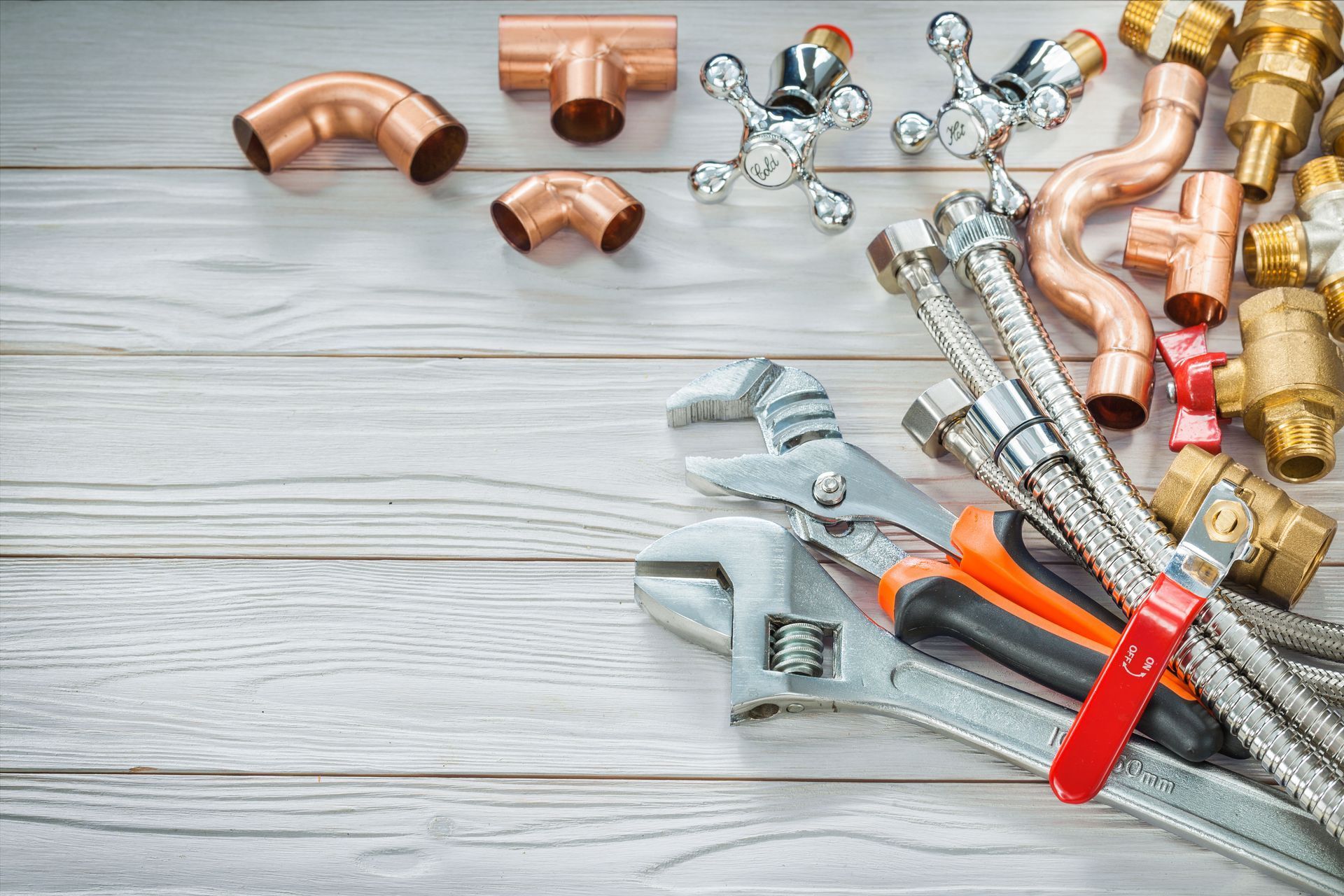
Copper's primary value in the recycling market is derived from its unmatched electrical and thermal conductivity. These intrinsic properties enable efficient energy transmission with minimal resistance, making it the preferred material for motors, generators, and renewable energy systems like wind turbines and solar panels. Beyond its conductivity, copper is prized for its extreme durability and corrosion resistance; unlike iron, it does not rust when exposed to moisture, which is why it is the standard for long-term plumbing and roofing infrastructure. Its malleability allows it to be stretched and shaped into intricate components without fracturing, further simplifying the manufacturing process. Furthermore, its natural antimicrobial properties have created a specialized demand in healthcare settings, as copper surfaces can inherently disrupt the cell membranes of bacteria and viruses, providing a self-sanitizing solution for high-touch hospital environments.
Measuring the Environmental Impact of Copper Recovery
The transition toward copper recycling significantly reduces the industry's overall carbon footprint by circumventing the high-emission processes of traditional mining. Recycling copper requires up to 85% less energy than extracting and refining virgin ore, which leads to a massive reduction in greenhouse gas emissions. This energy efficiency is a key driver for organizations seeking to align their operations with global climate change mitigation targets. By leveraging existing copper reserves, industries can minimize the environmental degradation and habitat destruction often associated with large-scale open-pit mining operations. Furthermore, recycling copper supports the transition to a green economy, providing the necessary materials for clean energy infrastructure without the heavy ecological toll of raw material extraction. Consequently, copper recovery serves as a vital bridge between industrial necessity and responsible environmental stewardship.
Evaluating Challenges in the Global Copper Supply Chain
Despite the benefits of recycling, the global copper market faces significant challenges in maintaining a stable supply-demand balance. Rapid urbanization and the proliferation of consumer technology drive a high appetite for the metal, yet geopolitical tensions in major mining regions like Chile and Peru often trigger disruptions. As accessible deposits decline, the cost of extracting raw ore increases, making the $3 to $6 per pound command for scrap even more influential in market decisions. To mitigate these uncertainties, many governments are implementing policy frameworks that encourage industrial-scale copper recycling to foster resource resilience. By diversifying sourcing methods and investing in advanced sorting technologies, the industry can better navigate market fluctuations. These inclusive solutions ensure that copper remains available for critical infrastructure projects while promoting eco-friendly initiatives in resource management across the globe.
Innovating the Future of Metal Recovery Technology
Advancements in sorting and processing technology are currently revolutionizing the efficiency of the copper recovery sector. Automated systems utilizing X-ray fluorescence and artificial intelligence can now separate copper from complex electronic waste with unprecedented speed and accuracy. These innovations ensure that even small amounts of copper found in micro-electronics are not lost to landfills, further enhancing the economic viability of copper recycling. Additionally, new smelting techniques are becoming cleaner and more energy-efficient, allowing for the processing of lower-grade scrap into high-purity copper cathodes. This technological evolution is critical for meeting the rising demand of the electric vehicle market, which requires massive amounts of high-purity copper for batteries and charging stations. As these technologies continue to mature, they will play a central role in securing the sustainable supply of copper for the next generation of industrial breakthroughs.
Maintaining Sustainability Through Strategic Metal Management
Professional metal management is the final piece of the puzzle in ensuring that copper remains a circular resource for decades to come. Large-scale industrial operations and local scrap yards must work in tandem to collect, sort, and reintroduce copper into the manufacturing stream. For many businesses, establishing a dedicated program for copper recycling is not just an environmental badge of honor but a strategic financial decision that offsets the high cost of raw materials. By prioritizing the recovery of this high-value metal, companies can protect themselves from supply chain shocks and contribute to a more stable global market. The commitment to maintaining copper's lifecycle ensures that its antimicrobial, conductive, and durable properties are preserved for future use. Ultimately, the successful management of this resource reflects a sophisticated understanding of the intersection between industrial growth and environmental responsibility.
Copper recycling is a cornerstone of the modern industrial economy, providing a sustainable and lucrative alternative to raw material extraction. By leveraging the metal's unique physical properties—such as its high conductivity and natural resistance to corrosion—industries can maintain high performance while significantly reducing their environmental impact. The consistent demand for copper in everything from ancient tools to modern electric vehicles proves that its value is as enduring as the metal itself. As we look toward a future defined by renewable energy and high-tech connectivity, the role of copper recovery will only become more critical. By maintaining a robust circular economy, we can ensure that this valuable resource remains available to drive human progress for centuries to come.
Effective metal recovery is ultimately a partnership between technological innovation and responsible industrial habits. When businesses and consumers choose to prioritize the reclamation of copper, they are supporting an industry that ranks among the most significant drivers of resource efficiency. Are you looking to maximize the return on your industrial scrap or start a sustainable recycling program? Reach the experts at Wauconda Recycling Center today to learn more about current market rates and how our services can support your environmental and financial goals!