3 Types of Brass That Are Commonly Recycled
Recycling brass plays a key role in keeping valuable non-ferrous metals in circulation, lowering production costs and reducing environmental impact. Many industries rely on brass components, which means consistent scrap supply and strong demand for responsible recycling solutions. According to FinanceBuzz, 10% of recycled scrap metal is non-ferrous. Understanding the different categories of brass helps homeowners, contractors, and businesses identify what can be brought to a brass recycling service for proper processing.
1. Identifying Yellow Brass
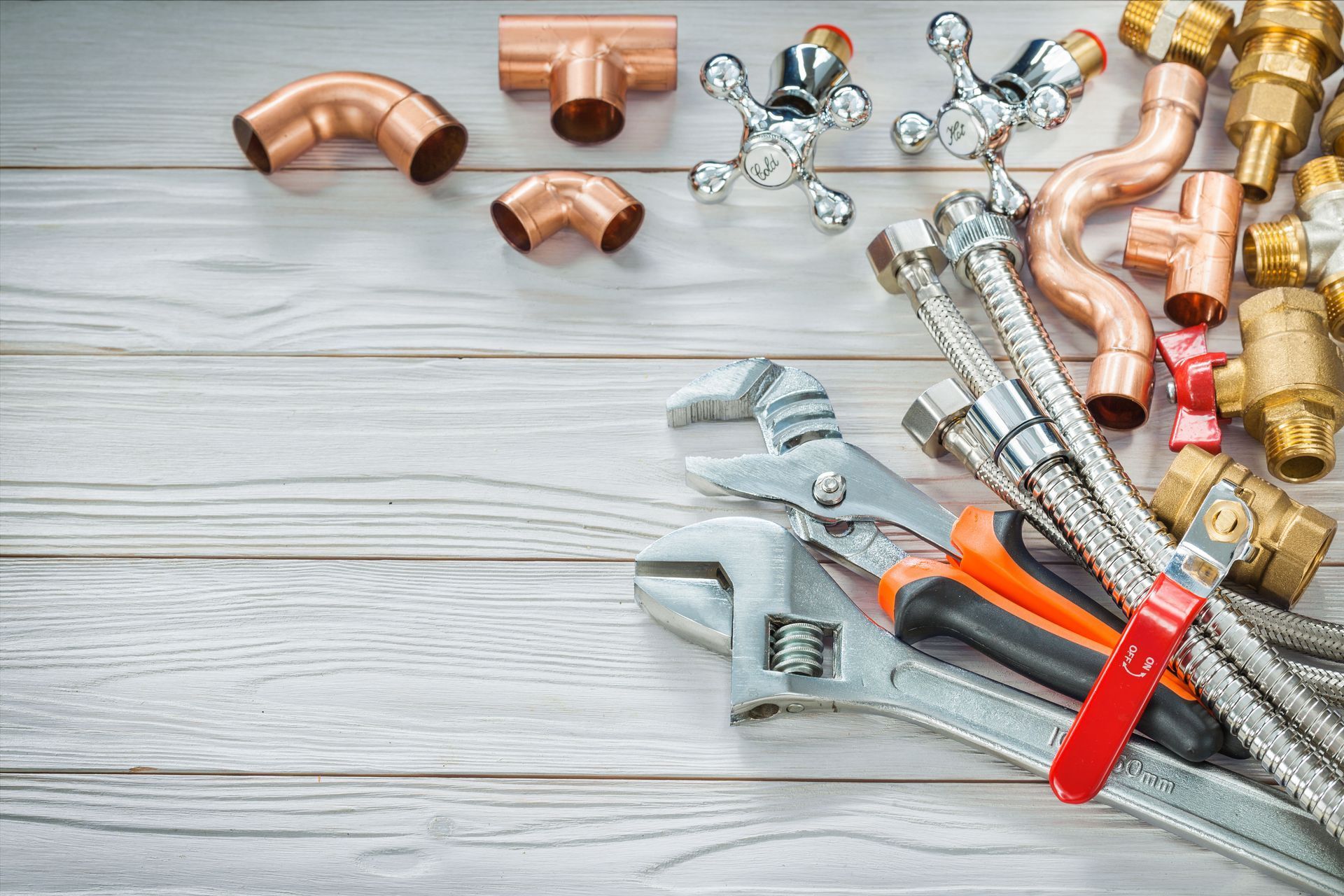
Yellow brass is one of the most recognizable and widely recycled types of brass. Its bright, golden appearance comes from a high zinc content, and it is frequently used in decorative hardware, household fixtures, plumbing components, and cartridge cases. Because yellow brass maintains excellent corrosion resistance and durability, it holds strong resale value in the recycling market. Bringing this material to a professional brass recycling service ensures it is sorted, cleaned, and prepared efficiently for re-melting and reuse.
2. Understanding Red Brass
Red brass contains a higher percentage of copper, which gives it a deeper reddish tone. This alloy is commonly found in valves, pump parts, sprinkler heads, and various industrial machinery. Its increased copper content makes red brass more valuable per pound than yellow brass. Many commercial facilities set aside these components specifically for recycling. Red brass is also known for its strength and resistance to mineral buildup. These qualities make it a popular choice in plumbing and mechanical systems. When recycled properly, it can be transformed into new castings without losing quality.
3. Recognizing Brass Shell Casings
Brass shell casings represent a significant portion of recyclable brass, especially from firing ranges, law enforcement training facilities, and military environments. These casings are typically made from high-quality yellow brass and can be efficiently cleaned, de-primed, and recycled. Shell casing recycling helps reduce waste and prevents valuable material from ending up in landfills. Because they are uniform in composition and size, casings are easier and faster to process than mixed brass scrap. This makes them an ideal candidate for high-volume recycling programs.
Brass is a durable and endlessly recyclable material that supports both environmental sustainability and resource efficiency. By understanding the different types of brass, which include yellow brass, red brass, and brass shell casings, you can make informed decisions about what to collect and bring in for recycling. If you are ready to recycle your brass scrap responsibly, contact Wauconda Recycling Center today.


Share On: