November 16, 2026
Many businesses and individuals discard scrap materials without realizing the financial return hidden within their unneeded items. Bringing these materials to a metal recycling company helps communities reduce landfill waste while generating additional revenue through sustainable practices. Facilities evaluate materials based on type, grade, and current market conditions to confirm accurate payouts for every client. Learning how these centers process high-value items can help you prepare your scrap for a profitable return.
Identifying the Basics of Non-Ferrous Scrap
Before processing items, workers separate ferrous metals from non-ferrous metals using industrial magnets. Ferrous materials contain iron and are magnetic, while non-ferrous materials do not contain iron and resist corrosion. According to FinanceBuzz, non-ferrous metals account for just 10% of total recycled volume, yet they produce roughly 50% of the industry's total revenue due to their premium market prices. This difference in value explains why facilities spend significant time assessing non-ferrous materials upon arrival. Items like copper, aluminum, and brass fall into this category and require detailed evaluation. Proper sorting confirms that clients receive accurate compensation, while keeping valuable natural resources in the supply chain. Non-ferrous scrap can be melted down repeatedly without losing structural integrity, making it desirable for industrial buyers.
Assessing the Market Value of Copper Scrap
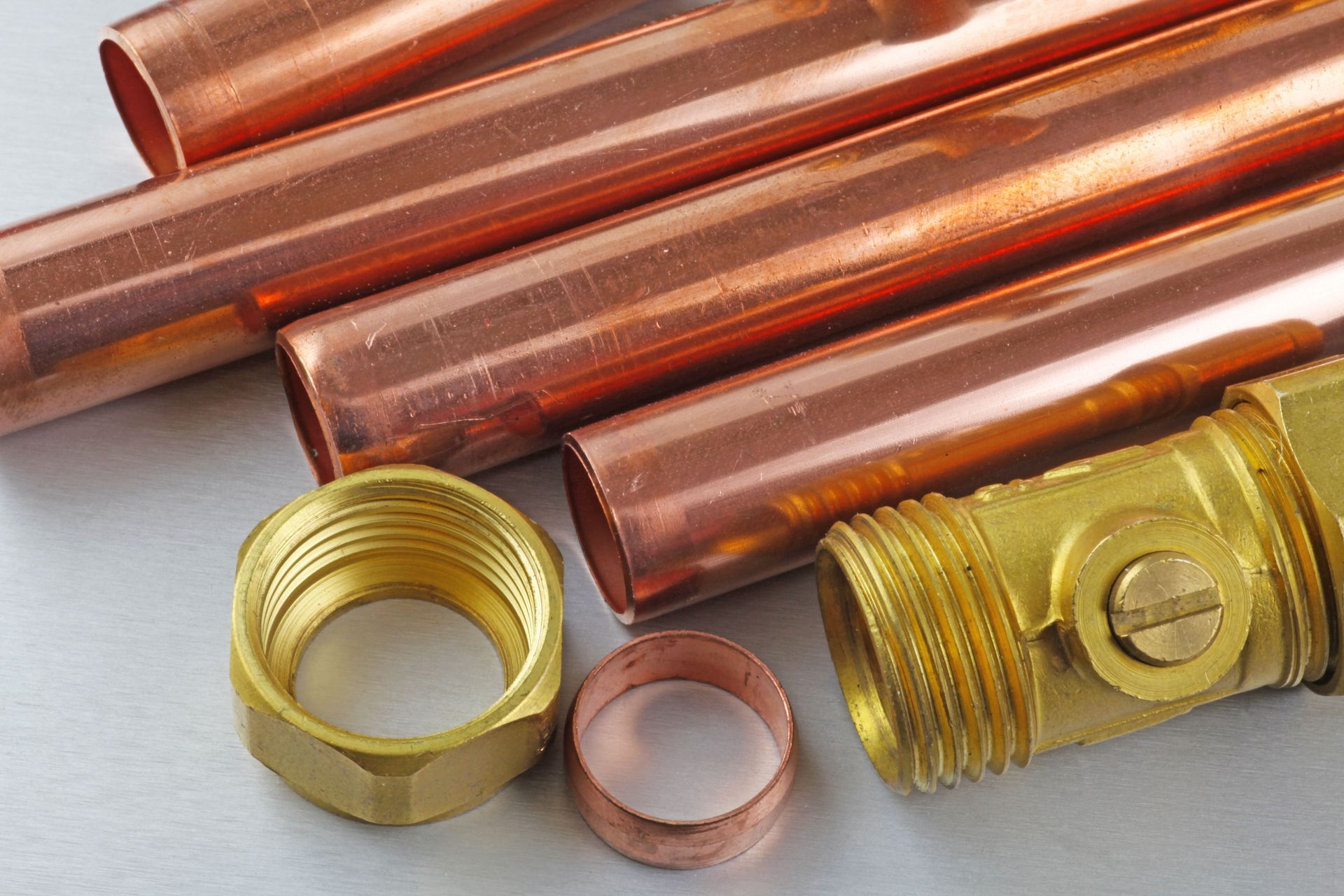
Copper remains a sought-after material in the recycling industry due to its electrical conductivity. Every metal recycling company examines copper carefully to determine its grade before finalizing pricing. Bare bright copper wire is the most valuable classification, consisting of clean, uncoated, and unalloyed wire. Number one copper includes clean tubing and wire with minor oxidation, but lacks attachments like brass fittings or solder. Number two copper features painted tubing, oxidized wire, or plumbing pipes with solder joints still attached.
When offering copper recycling services, workers inspect the material for signs of corrosion, paint, or chemical contamination. Accurately grading these materials protects the financial interests of both the recycling center and the client dropping off the load. Copper evaluation requires a keen eye, as a small amount of contamination can downgrade an entire batch of clean metal.
Grading Aluminum Products for Recycling
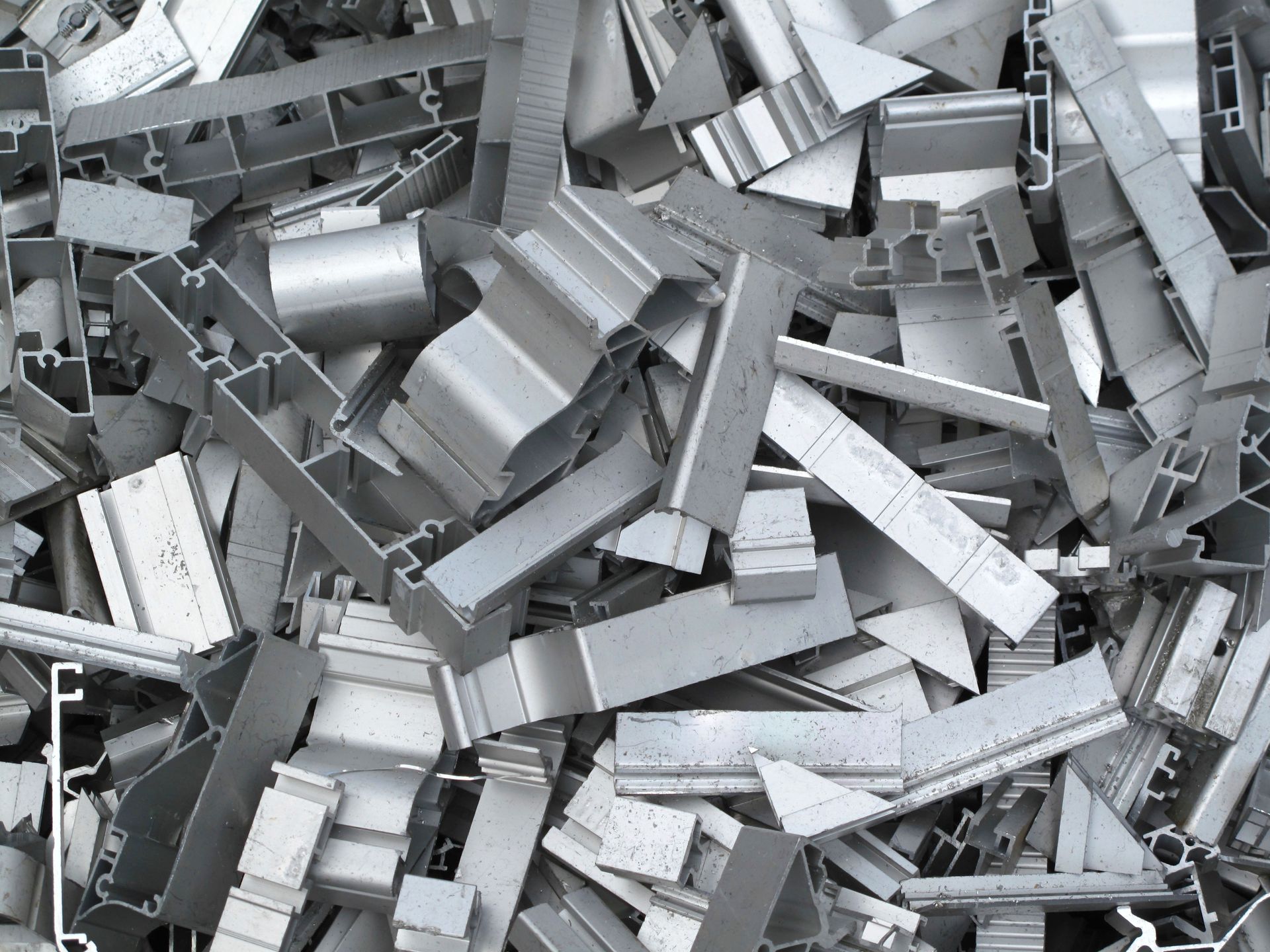
Aluminum provides a lightweight, durable option for everything from beverage cans to vehicle parts. Because it appears in diverse forms, a metal recycling company categorizes aluminum into several distinct grades to process it correctly. Aluminum cans are the most recognizable form and are recycled on a daily basis. Industrial clients also drop off extruded aluminum, which includes window frames, door fixtures, and architectural pieces.
Workers also look for cast aluminum, found in automotive engine parts, and aluminum sheet metal used in residential siding. Providing aluminum recycling requires staff to check for steel screws, plastic brackets, or rubber weather stripping attached to frames. Clean aluminum yields a higher return, while items with attached plastics or steel fall into a lower-paying breakage category. Taking the time to properly separate these forms of aluminum results in efficient processing and better payouts for everyone involved.
Sorting Brass Fixtures and Fittings
Brass is a dense alloy made primarily of copper and zinc, frequently utilized in plumbing fixtures, valves, and decorative hardware. Facilities distinguish between red brass and yellow brass during the initial sorting process to price the load accurately. Red brass contains a higher concentration of copper, giving it a distinctive reddish hue and a higher market value. Yellow brass features more zinc and is commonly found in household plumbing components, door hinges, and keys.
Staff members check brass items for zinc die-cast materials that resemble brass but hold less market value. Providing brass recycling involves thorough inspection because many fixtures have steel screws, rubber gaskets, or plastic components hidden inside valves. Removing these attachments at a proper facility confirms that the bulk material maintains its grade for end buyers. Workers sort these items into designated storage bins to prepare them for melting and reuse in manufacturing. Accurately identifying brass alloys prevents lower-grade metals from compromising the integrity of a high-value recycling batch.
Evaluating Cable and Wire Recycling Options
Electrical cables and communication wires contain valuable conductive metals, but they are almost always wrapped in heavy plastic or rubber insulation. Processing insulated wire presents a challenge because the exterior casing hides the copper or aluminum strands inside. Facilities assess the recovery rate of the wire, which is the percentage of actual metal weight compared to the overall weight of the insulation. A standard household wire has a vastly different recovery rate than an industrial communication cable used for underground networks.
People should avoid trying to strip wire at home, as it is a dangerous process that requires safety equipment and proper ventilation. Instead, clients should rely on professional wire recycling services to safely process wrapped materials without risking personal injury. Facilities utilize industrial wire-stripping machines that slice through thick insulation without damaging the interior metal. Leaving this task to an equipped business helps confirm the metal is recovered safely, efficiently, and in accordance with environmental regulations.
Checking Scrap Materials for Contaminants
Contaminants reduce the value of non-ferrous metals and complicate the melting process at industrial foundries. When arriving at a metal recycling company, materials are visually inspected for common issues, including:
- Thick paint or enamel coatings
- Motor oil and dirt accumulation
- Severe oxidation or rust from weather exposure
- Attached plastics, glass, or rubber insulation
Workers also check for mixed metals, such as a copper pipe with a yellow brass fitting and a steel bracket attached. These combinations require additional manual labor to separate, which lowers the immediate payout value of the scrap.
For specific or unidentifiable alloys, staff will use handheld X-ray fluorescence analyzers to determine the chemical composition of the item. This technology allows workers to identify trace elements and verify the purity of the metal within seconds. Identifying contaminants early keeps poor-quality materials from mixing with high-grade loads. Processing cleaner materials ultimately leads to fewer environmental emissions and uses less energy during smelting.
Weighing Materials for Accurate Pricing
The final step in evaluating non-ferrous scrap is obtaining a precise weight using calibrated industrial scales. Smaller quantities are weighed on platform scales designed for smaller measurements. Large industrial loads require drive-on truck scales that can handle thousands of pounds in a single transaction. The scales undergo routine maintenance and calibration to verify that digital readings remain exact and fair.
Clients participating in contractor recycling or business recycling rely on this transparency to manage project budgets and track revenue. Workers record the exact weight of each metal grade separately to calculate the total payout accurately. Digital readouts are visible to the client, confirming that they are credited for the exact amount of material provided. Facilities provide printed receipts showing the breakdown of each metal type, its weight, and the current market rate applied.
Providing Accessible Dumpster Rental Solutions
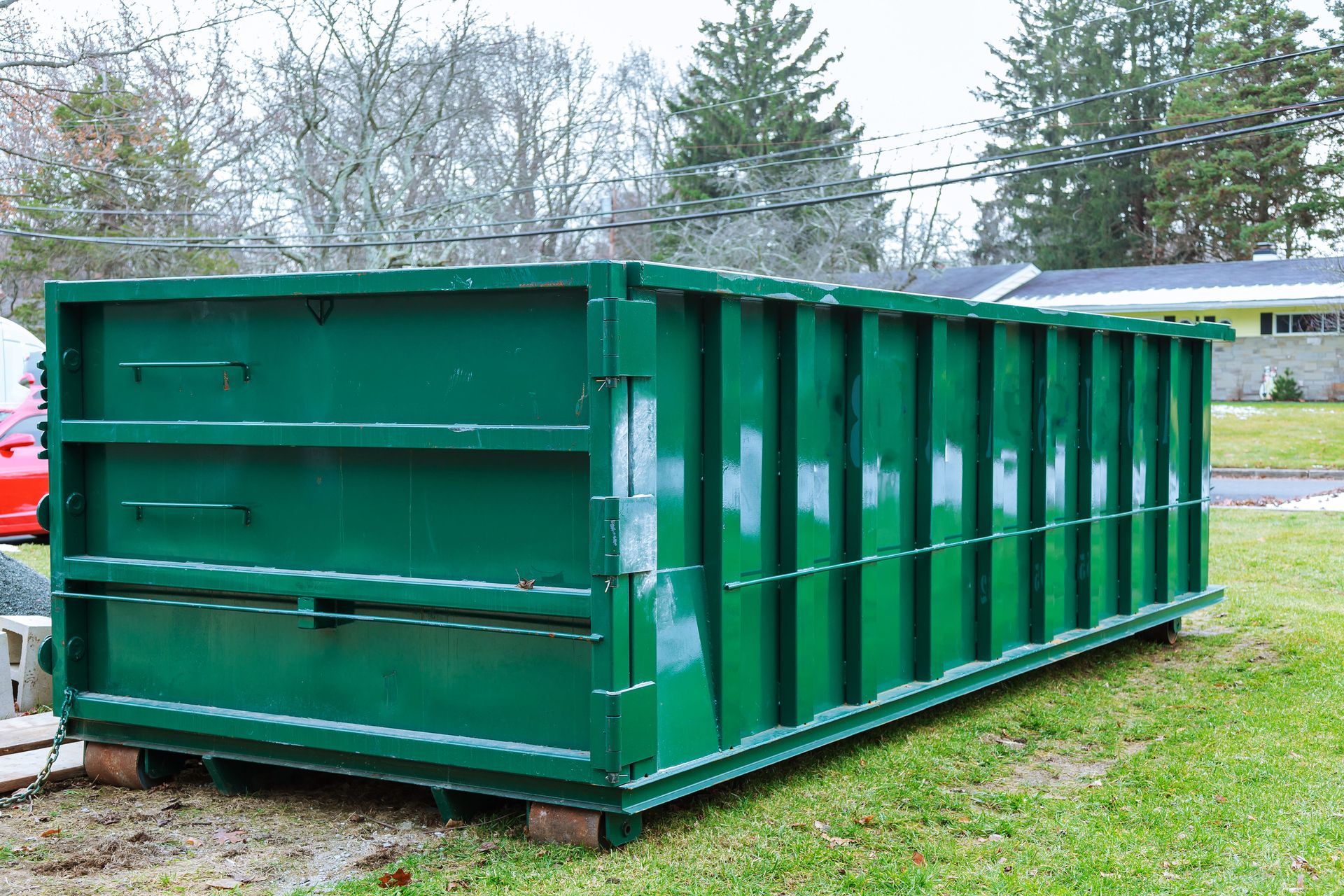
Commercial construction and demolition projects generate large amounts of non-ferrous and ferrous scrap over several weeks of work. To accommodate these situations, facilities offer dumpster rental services to collect materials directly at the active job site. Having a designated metal container on-site keeps the work area organized and prepares the scrap for an easier evaluation later. Once the project concludes, the facility transports the dumpster back to the main yard for sorting and weighing.
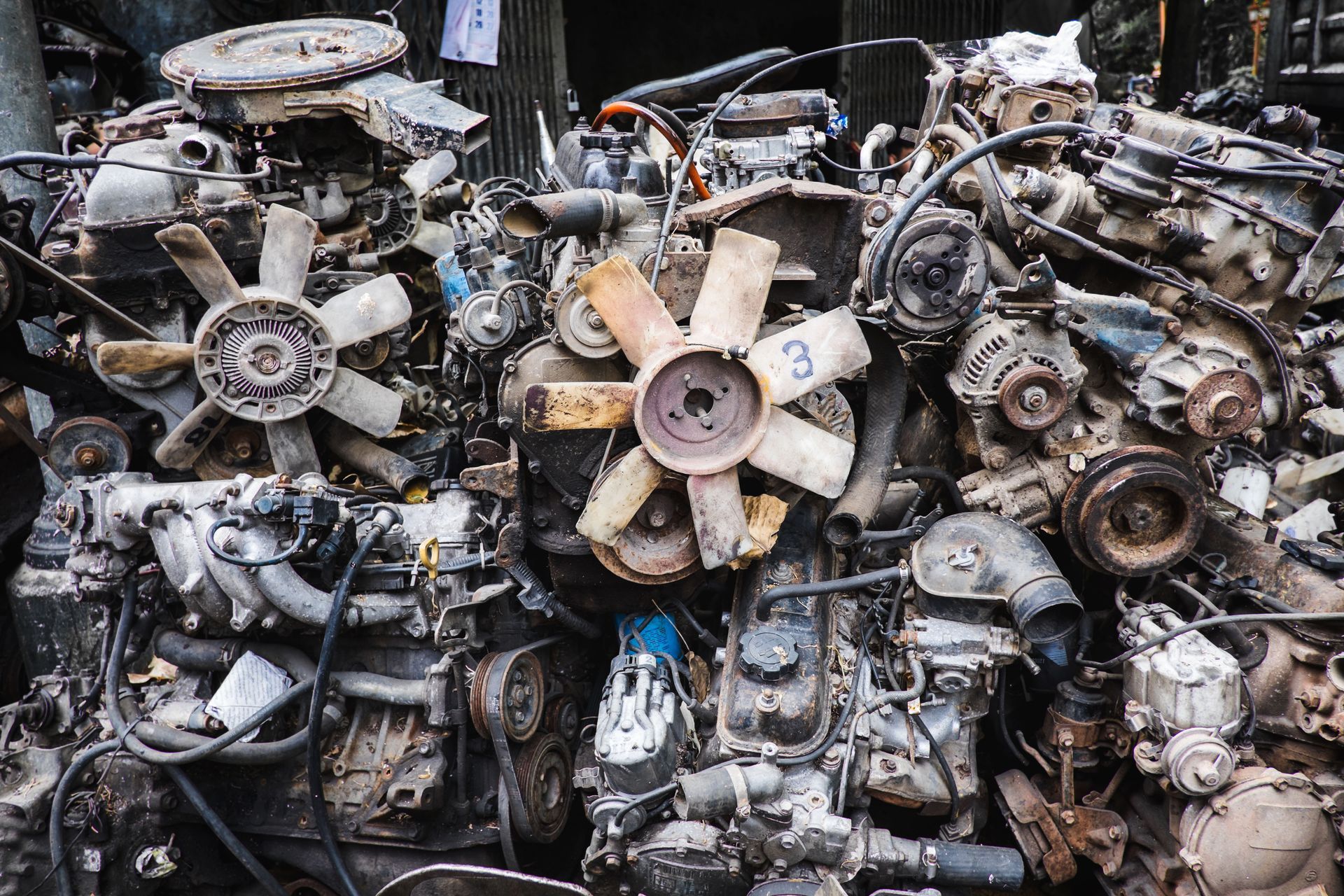
In addition to roll-off containers, centers often provide junk car recycling to process end-of-life vehicles safely. Automobiles contain a mixture of high-value non-ferrous components, including cast aluminum engine blocks, copper electrical wiring, and precious metals in catalytic converters. Transporting these large items directly to a professional facility prevents hazardous fluids from leaking into local soil or water sources. Offering these bulk services makes it easier for contractors and residents to recycle large quantities of valuable material.
Evaluating non-ferrous scrap requires close attention to detail, knowledge of metal grades, and industrial equipment. From identifying copper plumbing pipes to checking aluminum extrusions for hidden steel screws, proper sorting maximizes the value of every single item. Relying on professional processing services prevents dangerous DIY extraction attempts and keeps valuable natural resources out of local landfills. Partnering with a trusted metal recycling company confirms that your materials are processed safely while securing fair market compensation. Start maximizing your scrap returns today by bringing your materials to Wauconda Recycling Center.