November 14, 2026
Modern industrial manufacturing relies heavily on lightweight, durable materials to create everything from beverage packaging to structural building framing. Among these nonferrous materials, aluminum recycling occupies a central place across diverse sectors due to its high strength-to-weight ratio, electrical conductivity, and corrosion resistance. However, extracting virgin bauxite ore and refining it through chemical and electrochemical processes involves significant ecological disruption and resource consumption. In response, modern resource management places substantial emphasis on closed-loop circular systems that return post-consumer and industrial scrap back into productive circulation.
Examining the Energy Dynamics of Reprocessing
Primary aluminum production requires mining bauxite ore, refining it into alumina via the Bayer process, and smelting the alumina into pure molten aluminum using the Hall-Héroult electrolytic method. This electrolytic step demands massive quantities of continuous electrical power, placing substantial pressure on regional energy grids and fossil fuel reserves. In contrast, secondary processing skips mining, chemical digestion, and primary smelting altogether, focusing instead on sorting, de-coating, and melting recovered metal scrap.
Quantifying the Conservation Advantage
The reduction in power demand achieved by reprocessing discarded scrap into clean, reusable ingots is extraordinary. According to the IMARC Group, reprocessing scrap metal saves roughly 95% of the power necessary to extract and refine primary aluminum from natural bauxite ore. Because melting scrap requires only a fraction of the thermal and electrical input needed to break the chemical bonds in alumina, facilities can produce identical alloy volumes with vastly fewer resources. This immense efficiency advantage makes aluminum recycling an essential strategy for decarbonizing commercial manufacturing operations and mitigating grid strain.
Reducing Atmospheric Emissions and Carbon Footprints
Primary smelting generates substantial greenhouse gas emissions, including carbon dioxide and perfluorocarbons, due to the consumption of carbon anodes during the electrolytic extraction process. When industrial fabricators utilize secondary scrap instead of freshly extracted metal, direct process emissions decrease dramatically. Fewer thermal combustion emissions also mean cleaner regional air quality, fewer acid-rain precursors such as sulfur dioxide, and a meaningful contribution toward national decarbonization targets. Integrating reclaimed materials into standard supply workflows serves as an effective mechanism to curtail aggregate carbon intensity across major supply chains.
Assessing the Ecological Consequences of Land Extraction
Beyond pure power consumption, the physical extraction of metal ores produces deep environmental scars. Bauxite reserves typically lie close to the surface, necessitating extensive open-pit strip mining that strips away topsoil, disrupts established hydrological systems, and destroys biodiversity. In tropical and subtropical regions where major deposits occur, mining operations frequently lead to forest fragmentation and extensive habitat loss for vulnerable wildlife species.
Protecting Native Habitats and Surface Soils
By redirecting discarded alloys into active reclamation channels, industrial ecosystems reduce the demand for newly mined bauxite reserves. Diminishing the need for new open-cast mines allows natural ecosystems to remain intact, preventing soil destabilization and preserving original vegetation canopies. Preventing unnecessary land clearance also preserves natural carbon sinks that naturally sequester atmospheric carbon, providing an indirect ecological benefit that extends far beyond the scrap yard itself.
Mitigating Chemical Residues and Toxic Runoff
The chemical refinement of raw ore creates caustic residue commonly known as red mud or bauxite residue. This alkaline byproduct, stored in extensive retention reservoirs, presents severe environmental hazards, including potential groundwater contamination and catastrophic dam breaches. Expanding aluminum recycling reduces the aggregate volume of red mud produced each year, preventing hazardous alkaline runoff from infiltrating nearby agricultural soils, freshwater aquifers, and local river ecosystems.
Supporting Economic Stability Through Industrial Feedstocks
The benefits of systematic recovery extend well beyond ecological preservation, exerting profound influences on commercial markets and industrial stability. Metal scrap represents a valuable domestic resource that shields domestic industries from external geopolitical instability, maritime transport delays, and unpredictable tariff fluctuations.
Strengthening Domestic Industrial Supply Chains
Domestic manufacturers face considerable vulnerability when relying entirely on foreign suppliers for primary materials. Disruptions in global transport lanes or diplomatic tensions can halt production lines and inflate manufacturing expenses overnight. A steady, predictable inflow of scrap metal collected through regional drop-offs and scrap yards provides local fabricators with reliable domestic feedstocks. This stable material supply chain supports continuous manufacturing schedules, stabilizes production costs, and bolsters national self-reliance across critical industrial sectors.
Fostering Regional Employment and Commerce
The logistical infrastructure required to collect, inspect, process, and distribute reclaimed scrap stimulates notable economic activity within surrounding municipalities. Processing facilities create dependable regional jobs ranging from equipment operation and transport logistics to quality grading and sorting. As specialized processing centers divert discarded materials into productive circular pathways, they generate steady commerce for transport operators, equipment vendors, and secondary foundries, transforming community waste into local economic opportunity.
Advancing Circularity Across Key Global Industries
Aluminum possesses an inherent metallurgical advantage that distinguishes it from many synthetic compounds and lower-grade polymers: it does not degrade during the remelting cycle. The atomic integrity of the metal remains intact regardless of how many times it passes through a smelting furnace. This perpetual recyclability positions it as a cornerstone material for authentic circular economy frameworks.
Accelerating Automotive and Transportation Efficiency
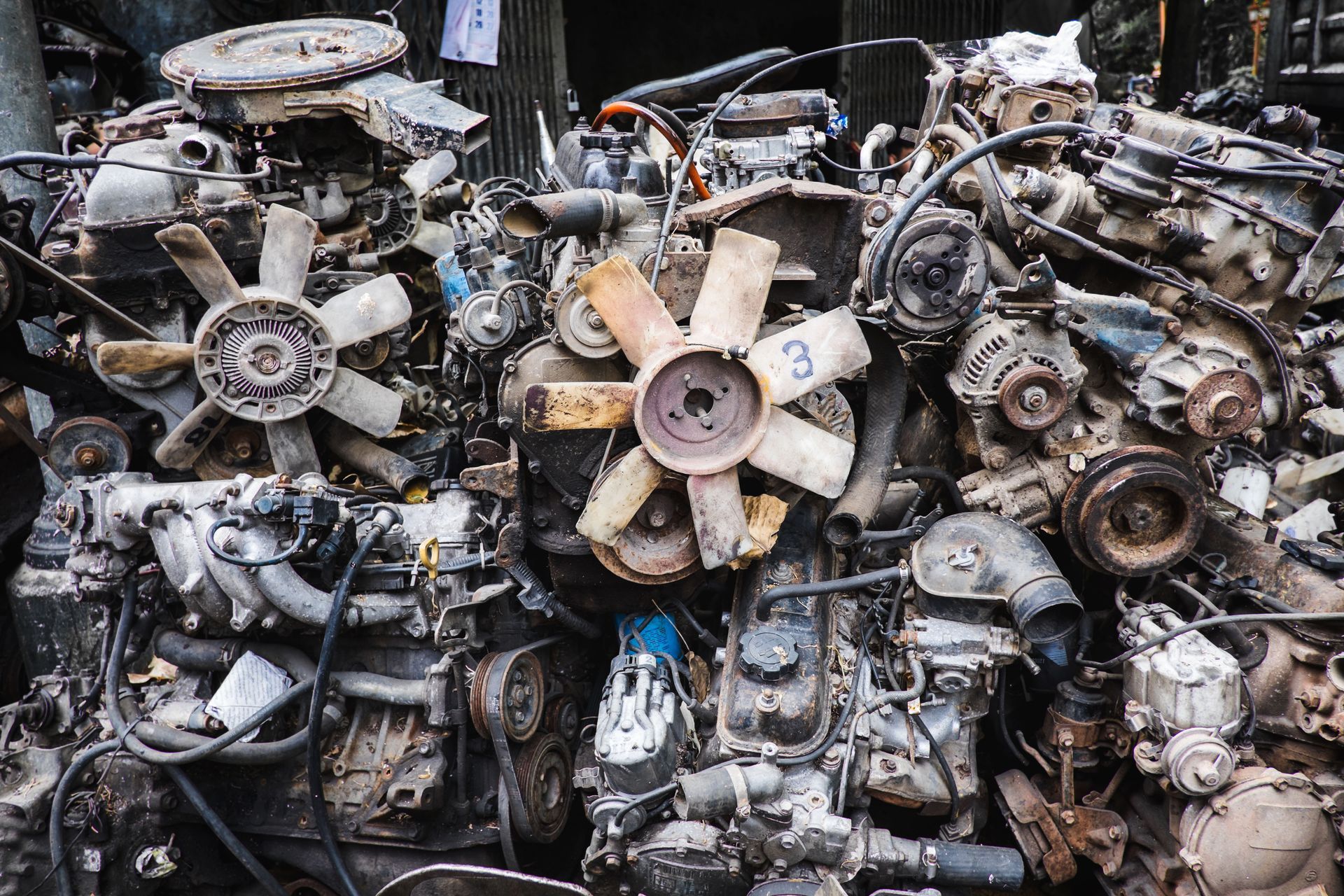
Vehicle manufacturers increasingly substitute heavy steel components with lightweight aluminum alloys to enhance fuel economy and extend battery range in electric vehicles. Utilizing recycled alloys in engine blocks, chassis components, wheels, and structural frames allows automotive designers to optimize vehicular efficiency without inflating the cradle-to-gate carbon footprint of the vehicle. Through disciplined aluminum recycling, automotive supply chains maintain circular loops where discarded parts from decommissioned vehicles directly supply the production lines of next-generation transportation.
Revolutionizing Modern Architectural and Construction Systems
The construction sector accounts for a major share of nonferrous metal utilization, employing sturdy alloys for window profiles, exterior curtain walls, structural brackets, and roofing panels. Modern green building certification systems award significant credit for incorporating high percentages of post-consumer reclaimed materials into architectural specifications. By prioritizing secondary metal streams, architectural projects reduce embedded embodied carbon while ensuring that structural components can be retrieved and reconstituted at the end of a building's lifecycle.
Closing the Loop on Consumer Packaging
Cans and consumer containers represent the fastest turnaround loop within modern material management systems. An empty beverage can discarded into a dedicated scrap stream can be reprocessed, re-rolled into sheet metal, fabricated into a brand-new container, filled, and returned to retail shelves in under sixty days. Sustaining high collection rates for this continuous packaging loop prevents thousands of tons of durable metal from squandering space in municipal landfills, exemplifying how efficient aluminum recycling functions on a daily basis.
Maximizing Resource Value Through Proper Processing
Achieving high-quality secondary metal output depends entirely on the precision and rigor of initial material intake and sorting. When scrap is handled cleanly, free from heavy non-metallic contaminants or mixed debris, downstream smelters can melt the scrap with minimal slag formation and negligible metallurgical contamination.
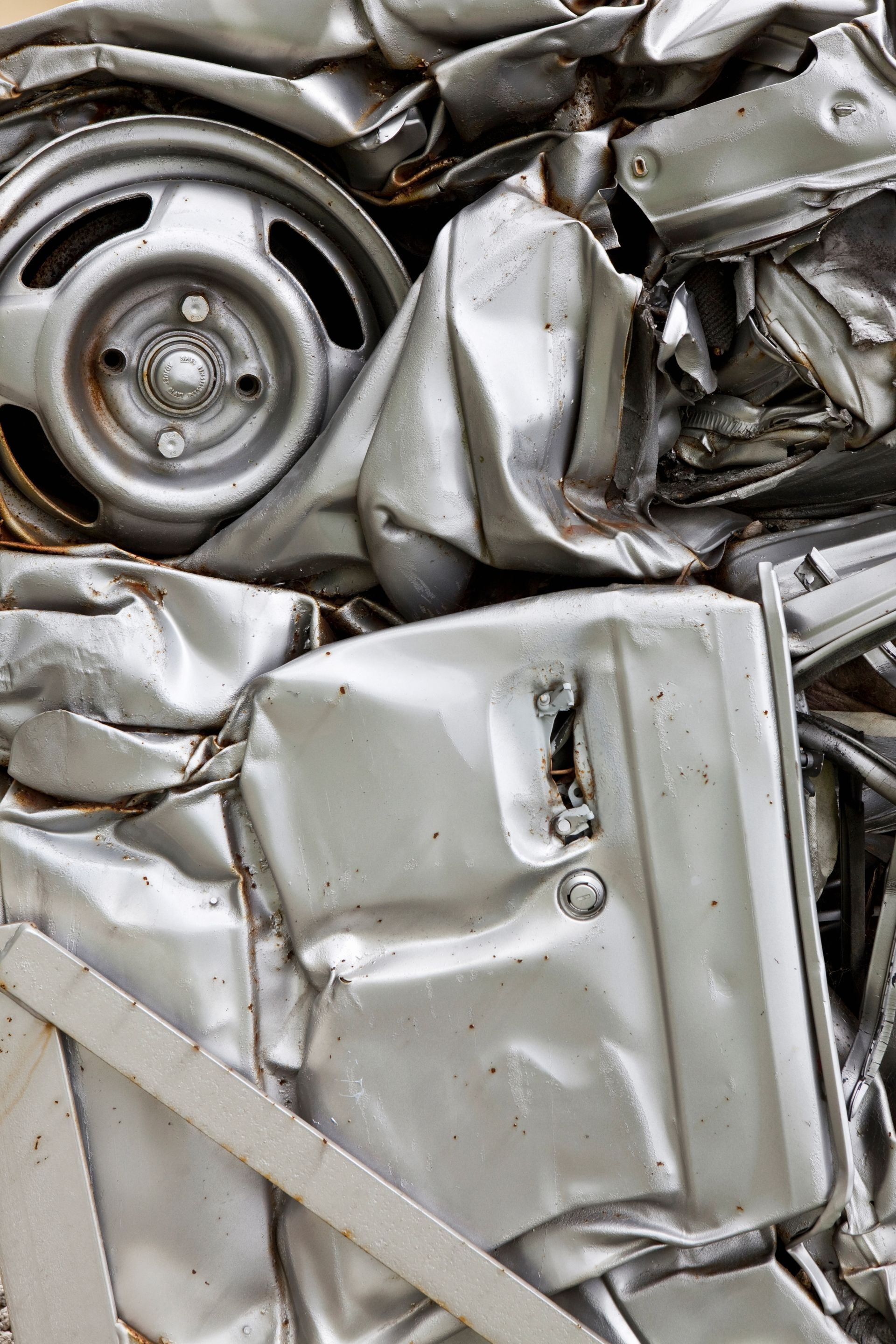
Specialized scrap facilities play a vital role in separating diverse alloy grades, such as extruded profiles, cast fragments, and sheet metal clippings. Clean separation ensures that specialized alloys retain their mechanical properties without requiring expensive chemical additions during remelting. Efficient material aggregation, accurate sorting, and proper handling maximize the usable yield from every ton of discarded metal brought to regional processing facilities.
Building a Resilient Future Through Responsible Stewardship
Establishing a truly sustainable industrial paradigm requires persistent commitment from manufacturers, municipal leaders, commercial contractors, and private citizens. Every discarded structural beam, automotive part, siding offcut, and beverage container holds substantial embedded energy and material value that should never be buried in a landfill. Sustained community involvement in
aluminum recycling drives industrial efficiency, curtails global emissions, preserves fragile landscapes, and supports domestic manufacturing resilience. Through continuous participation in dedicated material recovery programs, modern society can secure vital resources for generations to come. When you are ready to responsibly manage scrap metal, connect with the experienced team at Wauconda Recycling Center to ensure your excess materials are handled with exceptional care and environmental integrity.