November 14, 2026
Contractors regularly work with materials that can be recovered and reused after construction, renovation, plumbing, and electrical projects. Brass is one of these valuable materials, commonly found in plumbing fixtures, valves, fittings, pipes, and other components. Instead of allowing unwanted brass to accumulate at job sites or become part of general waste, contractors can recover it and put it back into the recycling stream. Working with a professional brass recycling service provides an organized way to manage these materials while potentially creating additional value from leftover project supplies. Understanding the benefits of professional recycling can help contractors make more informed decisions about material handling and waste management.
Recovering Value From Leftover Materials
Construction and renovation projects often generate scrap materials that still have financial value. Brass components removed during plumbing upgrades, equipment replacements, or demolition work can be collected rather than discarded. According to FinanceBuzz, non-ferrous metals account for only about 10% of recycled scrap by volume but generate approximately 50% of industry revenue because of their higher market value. This highlights why recovering materials such as brass can be worthwhile for contractors. A brass recycling service gives businesses an opportunity to turn eligible scrap into potential revenue instead of treating it as ordinary waste. Contractors can collect unused fittings, damaged fixtures, and other brass components throughout a project. Separating these materials makes it easier to identify what can be recycled and prepare it for delivery. Over time, consistent recovery practices can help businesses make better use of resources already present on their job sites.
Improving Construction Waste Management
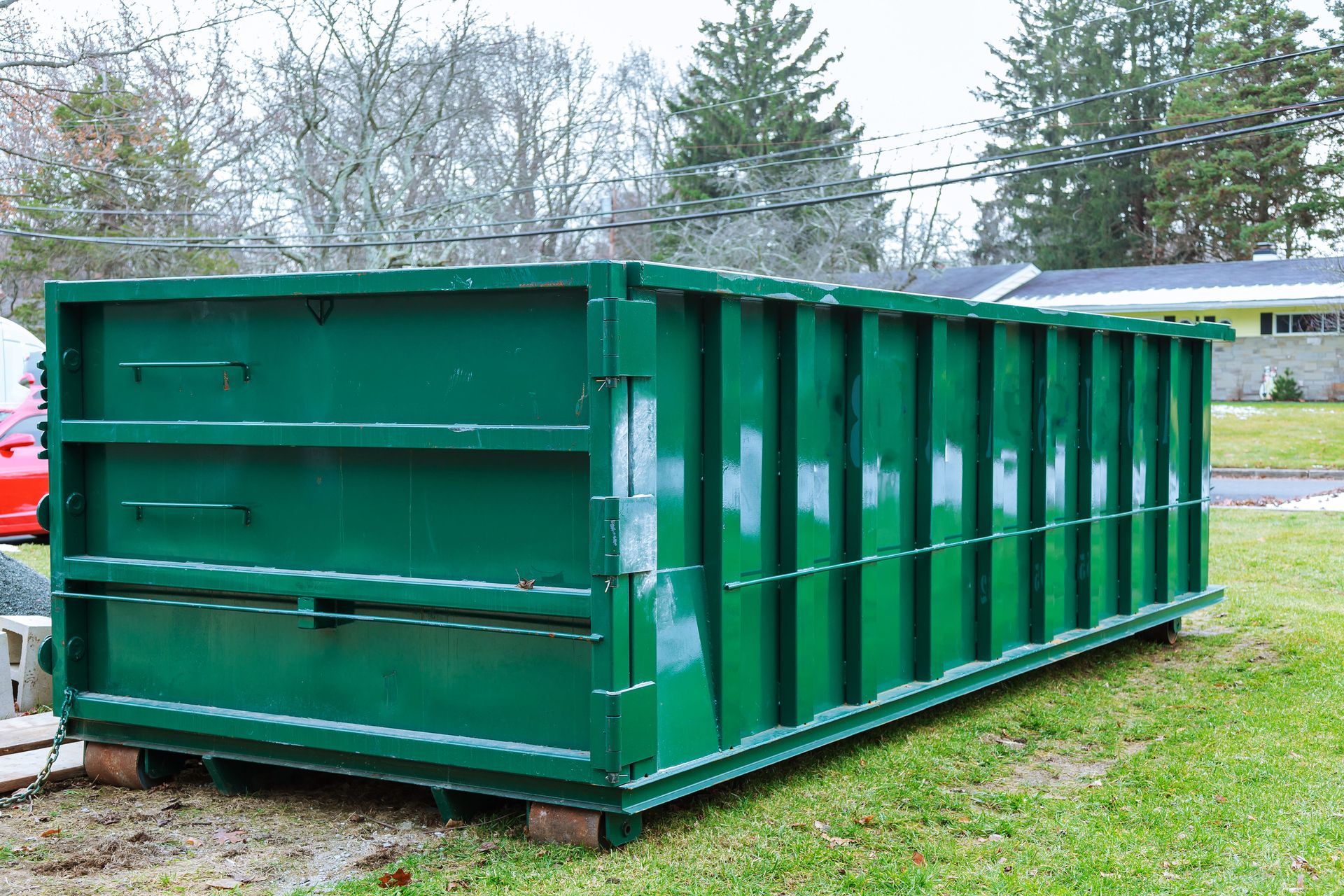
Managing waste is an important responsibility on construction and renovation sites. Different materials require different handling methods, and combining recyclable metals with general debris can make recovery more difficult. Contractors who separate brass from other waste materials can keep job sites more organized while reducing the amount of reusable metal sent to landfills. A professional brass recycling service provides a designated destination for collected materials. This gives contractors a practical way to incorporate metal recovery into their existing cleanup procedures. Workers can place brass components in clearly identified containers as they are removed from a project. Establishing this routine helps prevent valuable materials from being mixed with wood, plastic, drywall, and other construction debris. Better sorting practices can also make final site cleanup more efficient.
Supporting More Efficient Job Site Operations
An organized job site helps workers complete tasks safely and efficiently. Scrap materials left in work areas can create clutter, interfere with movement, and make it harder to locate necessary tools and supplies. Collecting brass components as work progresses helps keep these materials from accumulating in active construction spaces. Contractors can designate storage containers or collection areas specifically for recyclable metals. Using a brass recycling service gives teams a consistent process for moving collected materials away from the job site. This approach can make cleanup more manageable, particularly during projects that involve extensive plumbing or mechanical work. Employees also have clearer instructions about where removed metal components should be placed. Establishing simple collection procedures can support better organization throughout the project.
Encouraging Responsible Resource Recovery
Brass contains metals that can be recovered and processed for future manufacturing applications. Recycling helps keep usable materials in circulation instead of relying entirely on newly extracted resources. Contractors who collect brass from completed projects can contribute to this recovery process. A reliable brass recycling service helps connect recovered materials with facilities equipped to handle recyclable metals. This gives businesses a practical option for managing materials that might otherwise be discarded. Separating brass from general construction waste also helps preserve its recyclability. Contractors can make resource recovery part of their standard project procedures rather than treating it as an occasional task. These efforts support more responsible material management across the construction industry.
Simplifying Scrap Metal Collection Procedures
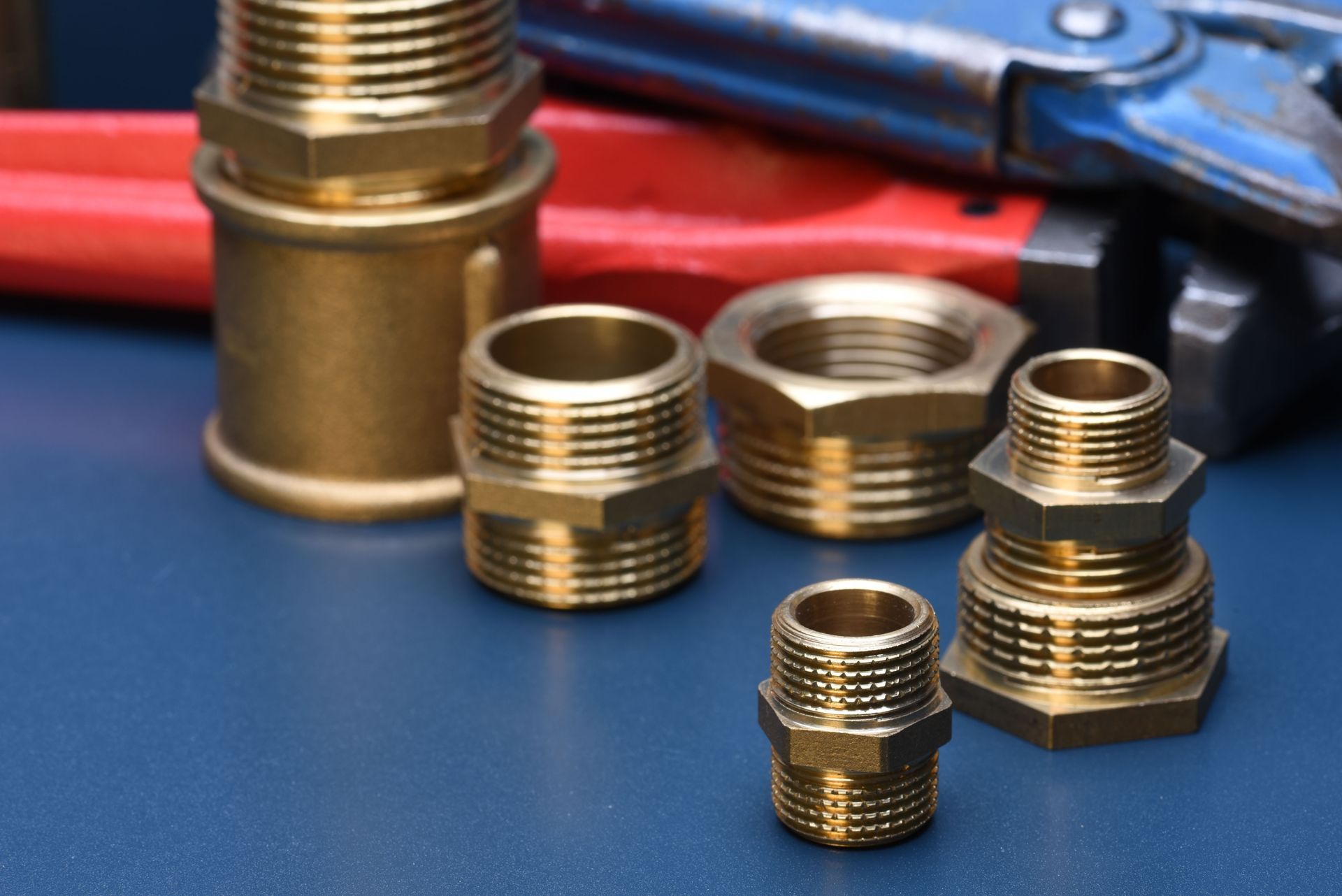
Contractors may handle brass in different forms, including pipes, connectors, valves, faucets, and other plumbing components. Keeping track of these materials can become challenging when several projects are underway at the same time. Establishing a consistent collection process helps workers identify and store recyclable brass properly. A professional brass recycling service can provide information about accepted materials and preparation requirements. Contractors should ask whether items need to be separated by metal type or whether certain nonmetal attachments should be removed. Understanding these expectations before delivery can reduce confusion during the recycling process. Businesses can also assign responsibility for collecting and organizing scrap at each job site. Clear procedures make it easier to maintain consistent recycling practices across multiple projects.
Creating Additional Business Opportunities
Recovering scrap brass can provide contractors with another way to make productive use of leftover project materials. While the amount collected will vary depending on the type and size of each job, even smaller quantities can contribute to a larger collection over time. Contractors who regularly handle plumbing installations or renovations may encounter brass components throughout their work. Using a brass recycling service allows businesses to explore the potential value of these materials. Recycling proceeds may help offset certain project expenses or contribute to general operating funds. Contractors should understand that payment depends on factors such as material type, weight, condition, and current market pricing. Keeping collected brass separate can also make quantities easier to evaluate. Consistent recovery practices can turn scrap management into a more organized part of business operations.
Building Better Material Handling Habits
Effective recycling begins with the everyday decisions workers make when removing or replacing materials. Without clear instructions, recyclable metals can easily end up mixed with general debris. Contractors can improve this process by training employees to recognize common brass components and understand how they should be handled. A dependable brass recycling service can help businesses establish a clearer destination for collected materials. Providing labeled containers and explaining basic sorting procedures can make participation easier for employees. Supervisors can also include scrap collection in routine site inspections and cleanup checklists. These practices help make material recovery a regular part of project planning. Over time, consistent habits can improve how teams manage recyclable materials across different job sites.
Choosing a Convenient Recycling Partner
Selecting an appropriate recycling partner is an important part of developing a dependable scrap management process. Contractors should consider accepted materials, operating hours, location, payment procedures, and any preparation requirements. Understanding these details helps businesses determine whether a recycling facility fits their project schedules and material handling needs. A professional brass recycling service should make its acceptance guidelines clear so contractors know what to bring. It is also helpful to ask how materials are evaluated and whether different brass grades need to be separated. These details can help prevent unnecessary delays when delivering collected scrap. Contractors should choose a facility that communicates clearly and provides a straightforward recycling process. Establishing a consistent relationship can make future material recovery easier to coordinate.
Making Brass Recycling Part of Your Contracting Business
Recovering brass from construction and renovation projects can help contractors manage waste, organize job sites, and make productive use of valuable leftover materials. Establishing clear collection procedures also encourages employees to handle recyclable metals more consistently. Professional recycling facilities provide a practical destination for these materials while helping businesses understand the recovery process. By making metal recycling part of everyday operations, contractors can take a more organized approach to resource management.
Contact Wauconda Recycling Center to learn more about its brass recycling options and how your business can bring in eligible scrap materials. Our team can help you understand the recycling process and make better use of the brass collected from your projects.