November 15, 2026
An unwanted car can still take up space and demand decisions long after it stops being useful for travel. Selling it may seem like the obvious next step, but a private buyer and a recycling center are looking at different kinds of value. One may want a vehicle to drive, while the other can recover materials from a car that has reached the end of its usable life. Understanding that distinction helps an owner decide when junk car recycling is worth considering alongside a sale.
Consider Whether the Car Still Serves a Driver
A running vehicle with reliable performance may appeal to someone who needs transportation. Its condition, history, and ability to be driven can all matter to a prospective buyer. Even an older car might make sense to sell if it remains usable and the owner is comfortable managing the process. High mileage alone does not decide the matter; the car's present ability to serve a driver matters more. If a buyer can inspect and drive it, the conversation differs from one about a vehicle that must be hauled away.
The choice changes when a car is wrecked, cannot run, or has a salvage title. A prospective driver may not be able to use it as transportation without significant work, which narrows the appeal of a conventional sale. Recycling provides another path because the vehicle's value does not depend entirely on whether it can return to the road. Its condition still matters, but it does not have to be drivable to have recoverable material.
Account for the Work Involved in a Private Sale
Advertising a car means answering questions about its condition and arranging for interested people to see it. Those steps become harder when the vehicle cannot be driven or has sat unused for a long time. A buyer who wants dependable transportation may lose interest once those limitations are clear. The owner is left deciding whether a lengthy search for a buyer makes sense for this particular car.
Junk car recycling offers a different kind of transaction for vehicles that have reached the end of their service lives. Rather than present an inoperable car as a driving option, the owner can request an assessment based on recyclable materials. The discussion instead turns to the car's metal content and the practical question of how it can leave the property. This can be a useful route when listing it for regular transportation no longer makes sense.
Look Beyond the Vehicle's Ability to Run
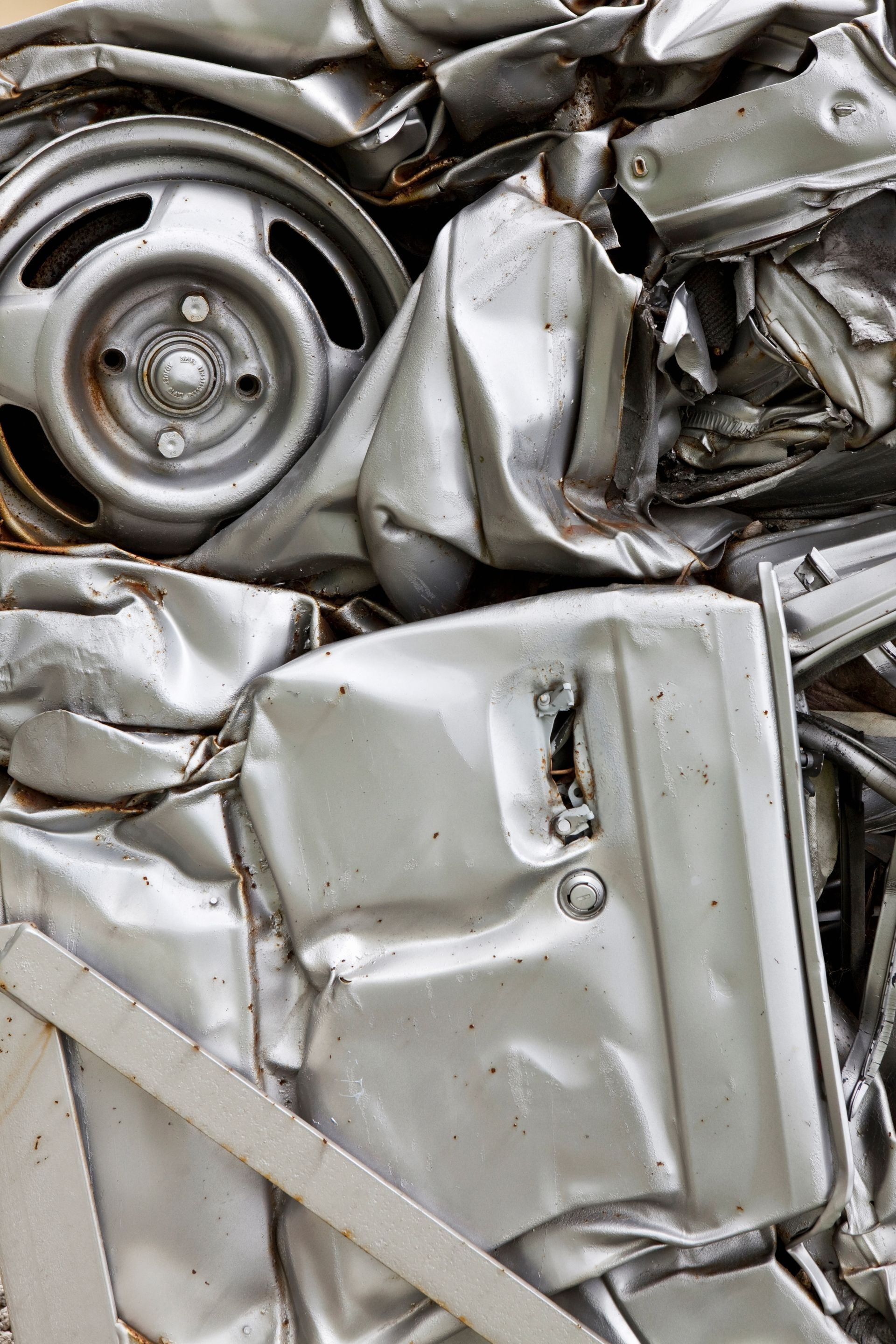
A car is made of materials that do not lose all usefulness when its engine stops. Steel and other metals can be recovered and processed for reuse, even if the vehicle itself will never be driven again. According to the Automotive Recyclers Association, roughly 86% of the materials making up a vehicle can be recycled. That figure describes potential material recovery, rather than a promise that every car will yield the same result.
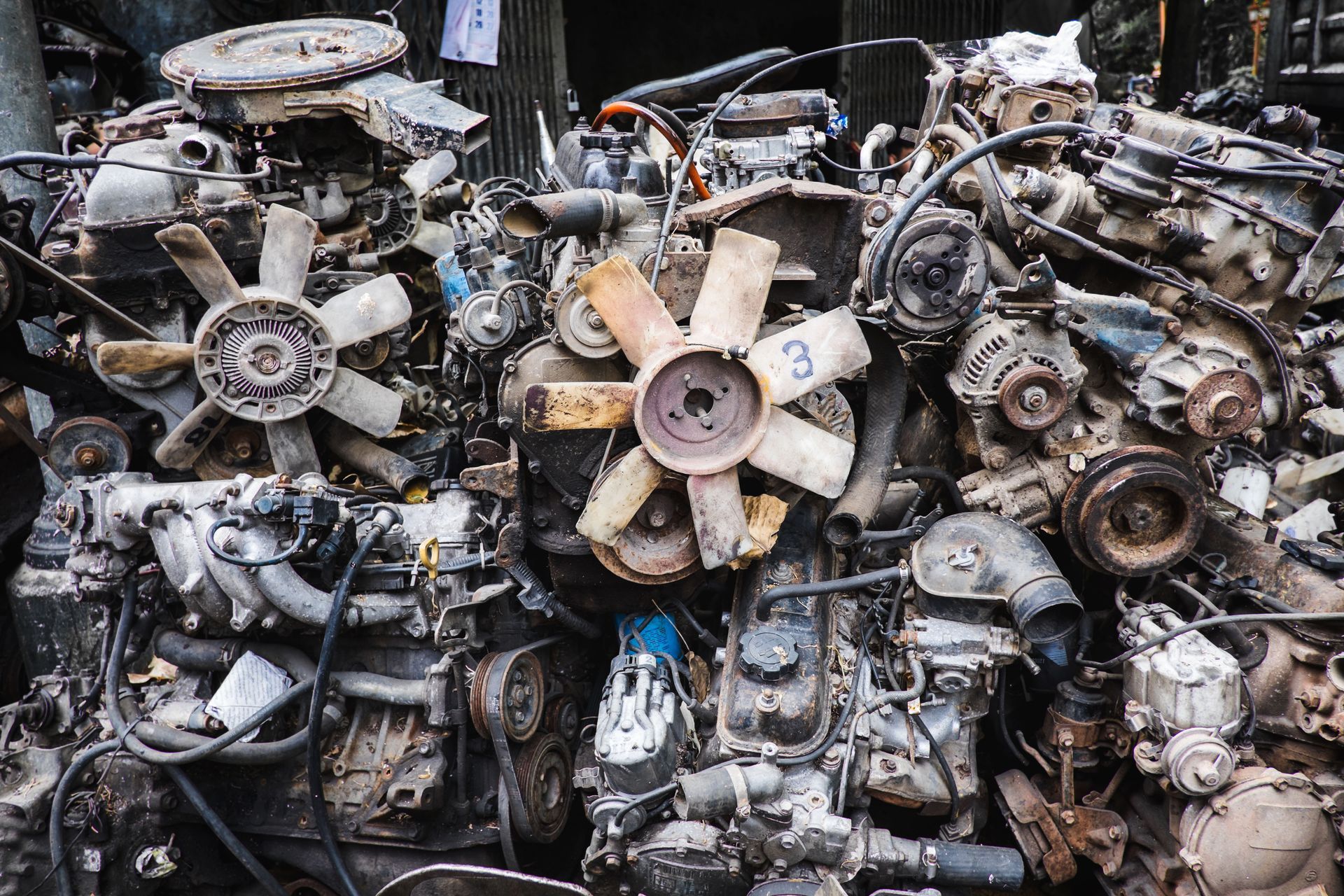
This is where junk car recycling differs most clearly from selling a car for continued driving. A buyer may focus on the vehicle's mechanical condition, while a recycler also considers what can be recovered from its body and components. Damaged and non-running vehicles can therefore have value as sources of material. Thinking about the car in both ways prevents its inability to travel from obscuring everything it still contains.
Understand What Shapes an Offer
An estimate for an unwanted vehicle should reflect what is being evaluated, rather than rely on a vague promise of value. Weight, the materials present, and current market conditions may influence an offer for a recyclable car. An owner may know the make and model well but have little reason to know which metals are present in meaningful amounts. A clear explanation of the assessment helps connect the offer to the vehicle itself. Even similar models can differ in condition, making an individual evaluation more useful than a general expectation.
Transparent weight and pricing information is especially relevant to junk car recycling because the materials, rather than future driving performance, are central to the transaction. An upfront estimate gives the owner a chance to understand the proposed terms before deciding what to do. A prompt payment process also matters once the decision is made. Neither transparency nor speed changes the car's condition, but both make the next step easier to understand.
Think About What Happens After the Car Leaves
A vehicle does not become responsible recycling simply by leaving a driveway. Responsible processing calls for attention to fluids and other components before recoverable metals are separated. Oil and coolant can pose concerns if a car deteriorates where it sits, especially when there are visible leaks. Removing those fluids and sorting recyclable materials are part of handling the vehicle rather than treating it as one piece of waste. This work connects the owner's removal decision to what happens after collection.
The environmental case for junk car recycling rests on recovering usable material and handling what cannot be reused appropriately. Recovered metals can reduce demand for newly extracted raw materials, while attention to fluids helps limit the risk of contamination. These outcomes depend on how a vehicle is processed, so it is reasonable to care about what happens after collection. The goal is a useful second life for materials, not a claim that every part of the car can be recycled.
Make Removal and Paperwork Part of the Decision
A non-running car presents an immediate logistical question: how will it leave the property? A recycling service that includes towing can address that obstacle without asking the owner to make a damaged vehicle roadworthy. This matters when a car has been parked for months or can no longer move safely under its own power. The removal arrangement belongs in the decision from the start, particularly for a car that no longer runs. Knowing whether towing is included can help an owner understand the full process before committing to that path.
Vehicle paperwork deserves the same attention. A recycler that handles the paperwork can make the transaction less burdensome, particularly when the vehicle has a salvage title or has been out of use. That does not mean every vehicle has identical documentation needs; the owner still benefits from discussing the circumstances before moving ahead. Junk car recycling is easier to consider when the path from initial evaluation to removal and payment is clear.
Consider the Space an Unused Vehicle Occupies
An idle car can limit how a driveway or other property space is used. When there is no plan to put the vehicle back on the road, continuing to keep it may serve little purpose. Visible deterioration or fluid pooling can make the question more pressing, especially when the owner cannot move the car readily. Addressing the vehicle creates an opportunity to use that space again while dealing with the car itself responsibly.
An offer is only one part of the decision because the space occupied by an idle car affects daily life, too. Once the vehicle is removed, a household or business can use its driveway or storage area again. That change matters independently of the car's recyclable materials. Recycling addresses both concerns when keeping or selling the vehicle no longer makes sense.
There is no single point at which every older vehicle should be recycled. The choice becomes clearer when an owner considers drivability, the practical demands of a sale, and the possibility of recovering useful materials. At Wauconda Recycling Center, we recycle unwanted vehicles and can arrange towing when needed. We can discuss your vehicle's condition and explain what recycling it would involve.